
Cannabis and anesthesia: what you should tell us
Not a legal question — a dosing one. Cannabis users need measurably more propofol, and the airway and pain effects are worth knowing before the day.
Every clinical claim on this page is cited to its source below. How we source clinical content.
The short answer
Tell your anesthesia team about cannabis, because it changes the dose rather than anything legal. A meta-analysis of eight studies and 2,268 patients found users needed an average of 47.3 mg more propofol in total to reach and maintain adequate sedation or anesthesia. Inhaled use can raise airway reactivity, pain afterward tends to be worse, and acute intoxication postpones surgery.
Anesthesia providers are not asking about cannabis in order to report anyone. They are asking because it changes the dose, and because the consequences of not knowing are real.
Key takeaways
- Cannabis users need more propofol. A meta-analysis of 8 studies and 2,268 patients found that users needed an average of 47.3 mg more propofol in total to reach and maintain adequate sedation or anesthesia, not for induction alone.
- Both settings studied showed an increase — 53.0 mg extra for endoscopic sedation, 30.6 mg intraoperatively. The difference between the two was not statistically significant.
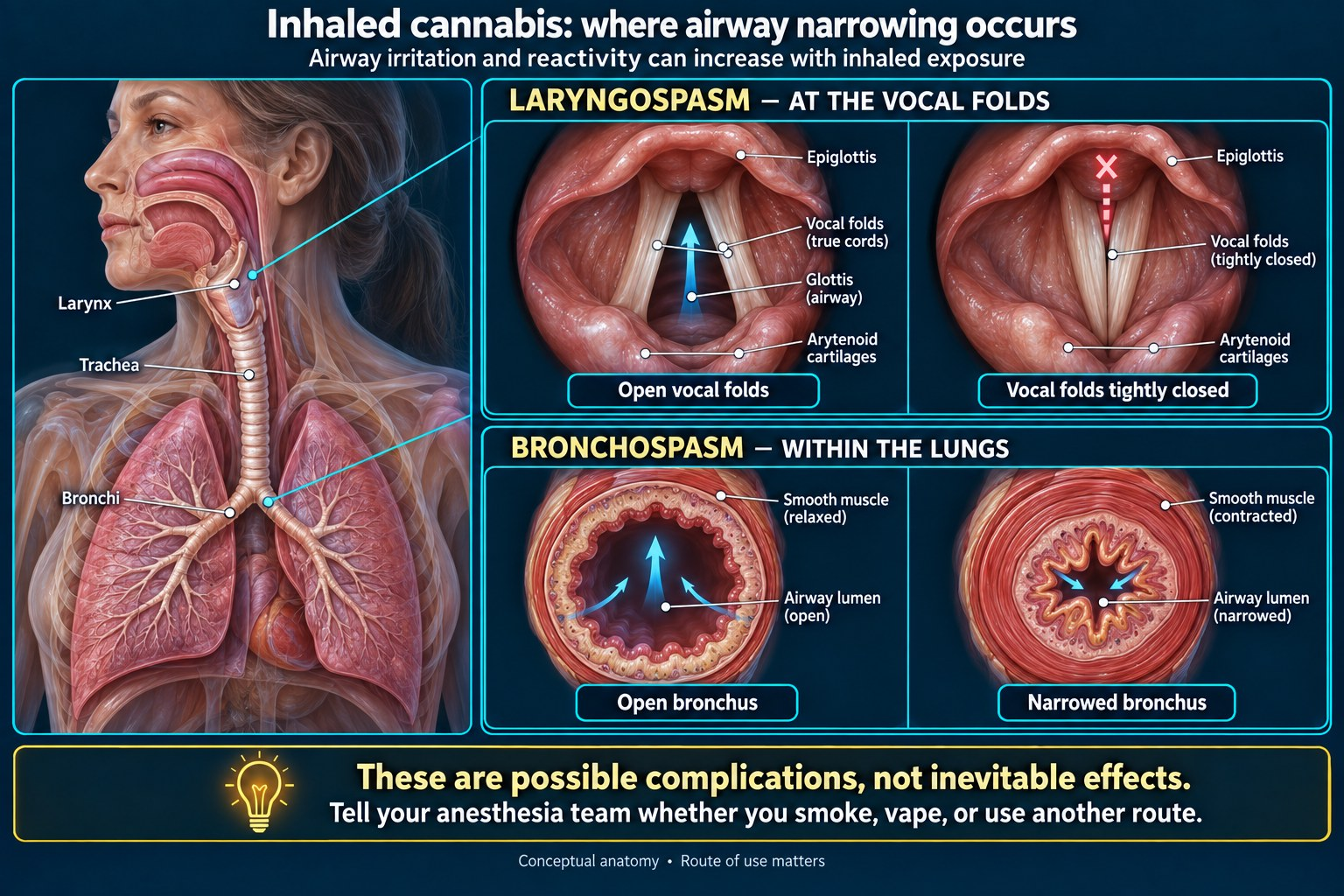
- Inhaled use can cause airway irritation and, in susceptible patients, hyperreactivity, raising the risk of bronchospasm and, in severe cases, laryngospasm.
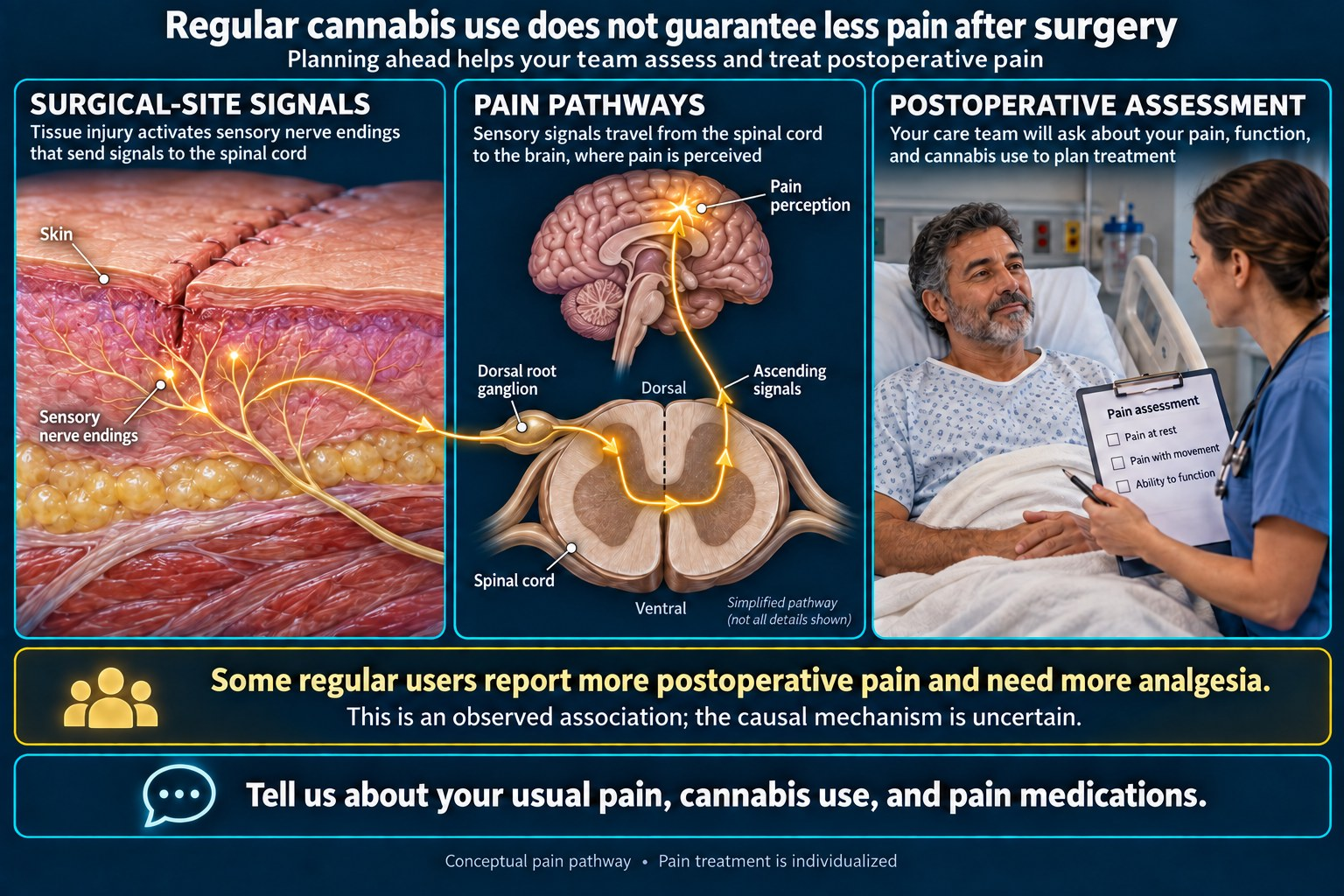
- Pain afterward tends to be worse, not better, on balance, with higher opioid requirements — though the evidence is mixed.
- Acute intoxication is a reason to postpone. ASRA recommends canceling or postponing elective surgery where there is altered mental status or impaired capacity to consent.
- Screening is recommended; universal toxicology testing is not. The point is the conversation, not a test result.
The guideline
ASRA Pain Medicine published the first US guidelines on perioperative cannabis in January 2023 — 21 recommendations across preoperative, intraoperative and postoperative care, developed by a 13-member panel including anesthesiologists, chronic pain physicians and a patient advocate, using a modified Delphi method that required at least 75% agreement. All 21 recommendations achieved full consensus.1,2
| Recommendation | Detail |
|---|---|
| Screen everyone | All patients undergoing procedures requiring anesthesia should be asked about cannabis use, medicinal or recreational2 |
| Do not test everyone | Universal toxicology screening is not recommended. The Cannabis Use Disorder Identification Test may be considered as a standardized tool3 |
| Postpone for intoxication | Elective surgery should be postponed or canceled where there is evidence of acute intoxication — altered mental status or impaired decision-making capacity4 |
| Adjust doses | Consideration should be given to adjusting induction and maintenance doses based on clinical presentation and timing of last consumption. Grade C5 |
| EEG monitoring | Insufficient evidence to recommend for or against intraoperative EEG monitoring in patients who have taken cannabinoids5 |
| Pregnancy | No evidence of specific implications for neuraxial anesthesia in labor or cesarean section, but use should be discouraged and patients counseled about fetal and neonatal risk5 |
| Counsel about risk | Patients should be counseled on the risks of continued perioperative cannabinoid use, including tachycardia and hypertension3 |
This is in the app, with the drug interaction checker — free tier, no card. Get it →
The dose effect, quantified
This is the most consistently reported finding, and it now has numbers behind it.
| Setting | Additional propofol | Source |
|---|---|---|
| Overall (8 studies, 2,268 patients) | +47.3 mg | Meta-analysis6 |
| General anesthesia, intraoperative | +30.6 mg (95% CI 4.8–56.3) | Subgroup6 |
| Endoscopic sedation | +53.0 mg (95% CI 25.0–81.0) | Subgroup6 |
| Second meta-analysis (11 studies, 4,199 patients) | Increased requirement confirmed | Pooled7 |
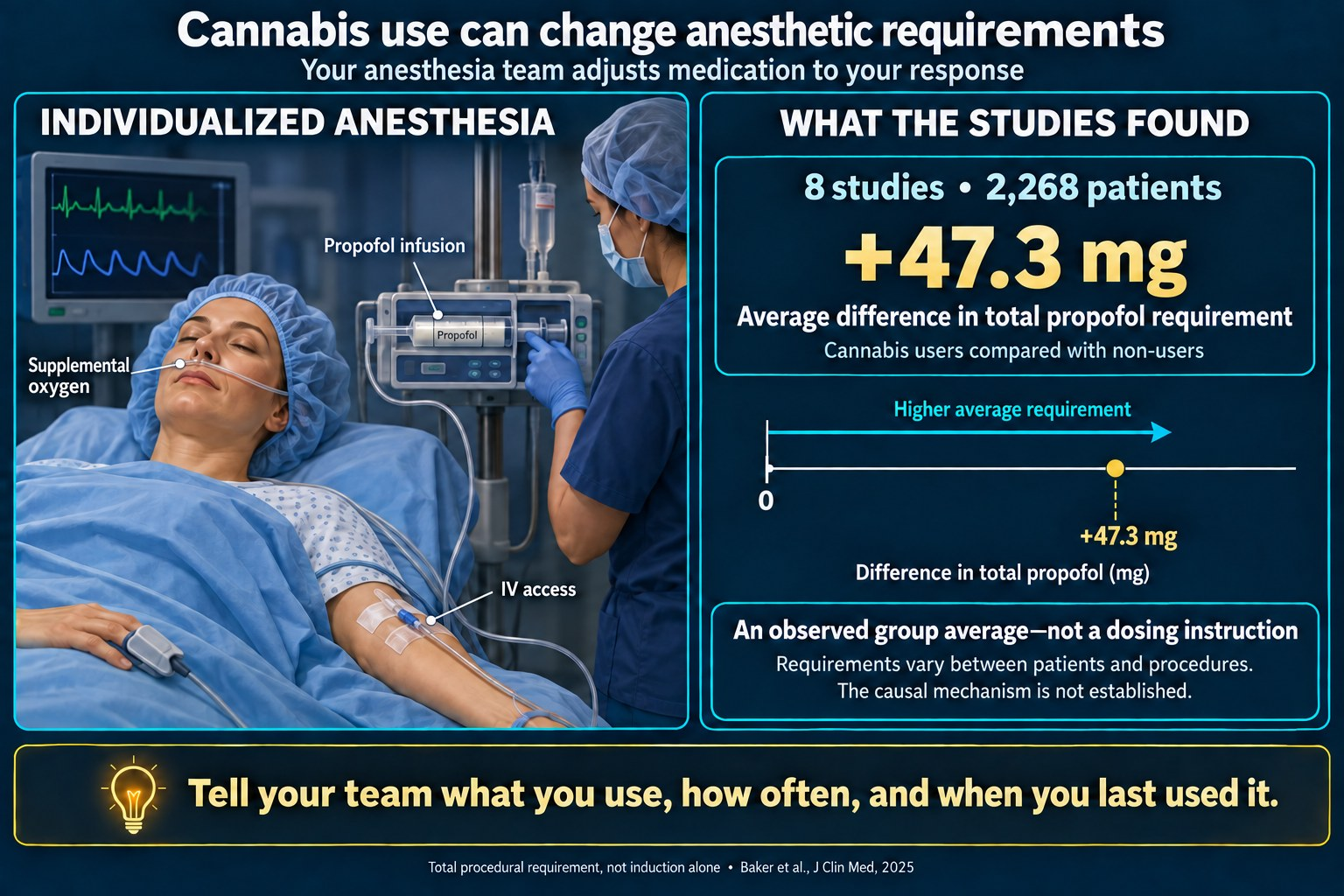
The two subgroup figures should not be read as a ranking. Their confidence intervals overlap across most of their range, and the meta-analysis reports that under a random-effects model the difference between the subgroups was not statistically significant (p = 0.25).6 What the analysis establishes is the overall increase. Which setting demands more is not settled by it.
The second meta-analysis quantified it separately: Bornemann-Cimenti and colleagues, pooling 11 studies and 4,199 patients, reported a mean increase of 23.9 mg (95% CI 17.8–30.0) by fixed-effects model and 36.1 mg (95% CI 18.1–54.1) by random-effects model.12 Requirements for inhalational agents are also increased in retrospective studies,7 and a prospective study found cannabis users required significantly higher doses of fentanyl and midazolam as well as propofol.7
Clinical studies and case reports have consistently shown increased requirements for GABAergic anesthetic drugs specifically — isoflurane, sevoflurane, propofol, midazolam.8 A randomized, single-blind study of 30 men who used cannabis more than once a week and 30 non-users found no significant difference in the propofol dose needed to reach a bispectral index below 60, but users needed a significantly higher total induction dose for laryngeal mask insertion (314.0 vs 263.2 mg). The authors suggest that regular users may need higher doses both for loss of consciousness and for the jaw relaxation and airway reflex depression that laryngeal mask insertion requires.9
An honest caveat about mechanism. The association is well replicated; the causal explanation is not established. Recent reviews are explicit that no evidence currently supports causality and the underlying mechanisms remain unknown.10 Animal work is contradictory — some studies show cannabinoids potentiating anesthetics rather than antagonizing them.8 A pilot study in 27 dogs went further in that direction: a full-spectrum CBD-rich extract given transmucosally 75 minutes before induction reduced the propofol induction dose by 23% at the higher of two doses.14 Chronic human use and acute animal dosing may simply be different phenomena.
The other effects worth knowing
Airway
Smoking cannabis is associated with airway irritation and, in susceptible patients, hyperreactivity — raising the risk of bronchospasm and, in severe cases, life-threatening laryngospasm.12 The picture is not uniform, however. Acute inhaled or oral THC can actually cause bronchodilation, but it may provoke bronchoconstriction and airway irritation in people with reactive airways, and chronic heavy smoking produces chronic bronchitis and COPD-like changes; recent use can also cause uvular and airway edema.1 The airway concern is tied to inhalational use specifically, so it does not transfer automatically to edibles or tinctures — which is why the route of use, not just the fact of use, belongs in the history.
Cardiovascular
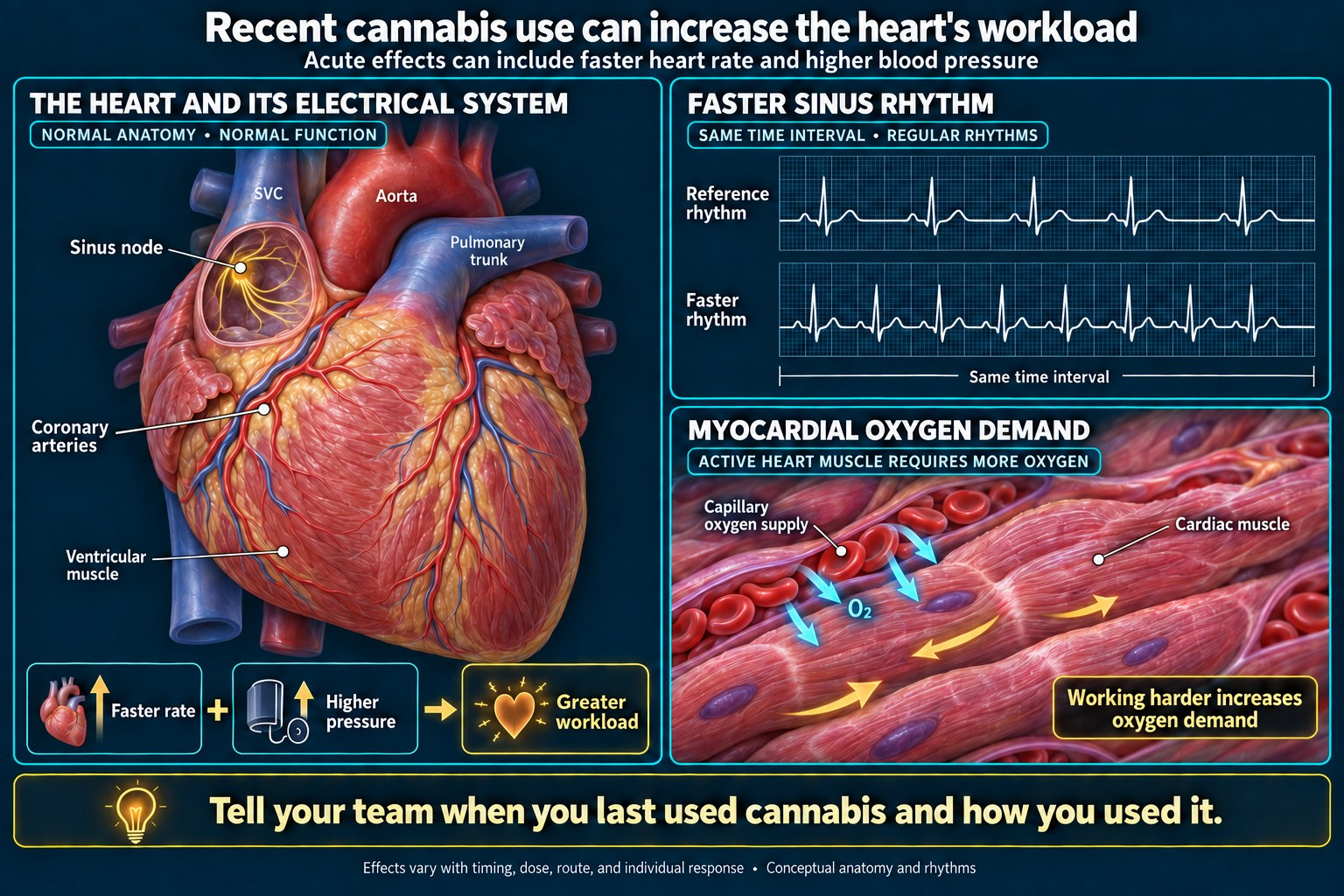
Acute intoxication produces tachycardia and hypertension, increasing myocardial oxygen demand and, in the ASRA framing, the risk of myocardial infarction.3 Cannabis can also provoke coronary vasospasm, an additional mechanism cited by SPAQI.21 THC may increase catecholamine levels and various cardiac electrical effects have been described, including atrial fibrillation.11 Acute intoxication may also cause lethargy, ataxia, hyperkinesis and tachypnea.4
Pain afterward
Counterintuitively for a substance many patients use for pain: regular cannabis use is, on balance, associated with worse postoperative pain and higher opioid requirements rather than better pain control. In one prospective study, cannabis users reported worse pain and greater functional impairment on the day of surgery and at three and six months afterward compared with non-users.4 The evidence is not uniform, though. A 2026 narrative review of 42 studies found only about a third reported higher pain scores and roughly 43% higher opioid use, with a substantial minority showing no difference, and outcomes varied by surgical specialty.18 Where an opioid difference is found it may be small — one large cohort found cannabis users had worse pain scores but consumed only about one additional opioid pill, of uncertain clinical significance.19
Synthetic cannabinoids are a different problem
Synthetic products marketed as “Spice” or “K2” can cause a severe, prolonged coagulopathy with markedly elevated prothrombin time and INR, because they have been contaminated with long-acting anticoagulant rodenticides such as brodifacoum. The definitive treatment is high-dose vitamin K1 (phytonadione), often required for weeks to months because of the rodenticide’s very long half-life; fresh frozen plasma or 4-factor prothrombin complex concentrate corrects the coagulopathy only transiently and is reserved for active bleeding.15,16,17 Published outbreaks in Illinois, Maryland and Israel confirm that high-dose vitamin K1 reverses the coagulopathy.16,17 This is not the same clinical entity as cannabis and should be asked about separately.
What to disclose, and why it is safe to
As of mid-2025, medical cannabis is authorized in 40 states plus the District of Columbia and several US territories, and recreational adult use is legal in 24 states and DC.7 In Canada, 26% of people aged 16 and older reported cannabis use in the past 12 months in 2024, up from 22% in 2018.13 This is a mainstream exposure, and the anesthesia interview is a clinical conversation rather than a legal one.
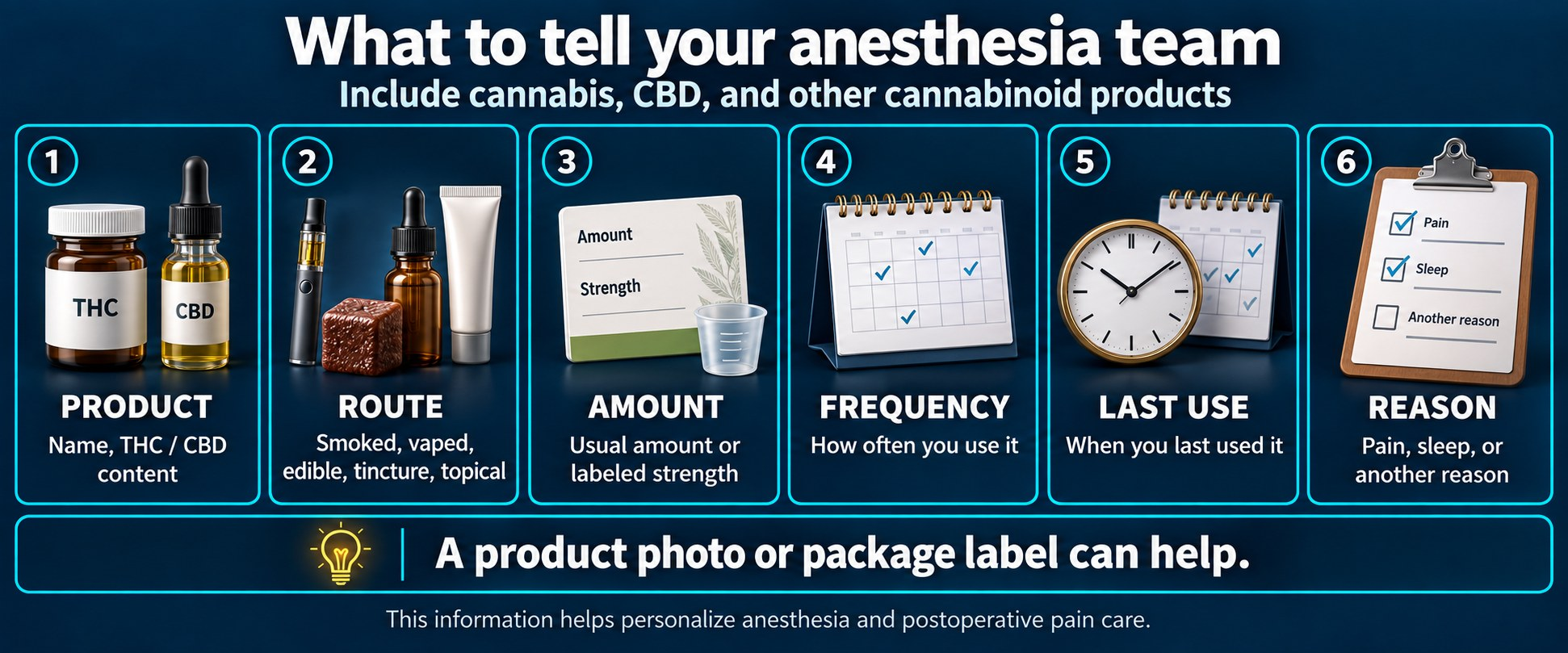
The specific things worth telling your anesthesia provider:
- Route — smoked, vaped, edible, tincture, topical. Airway effects follow the smoke.
- Frequency — daily use predicts a different dose requirement than occasional use.
- Timing of the last use — the guideline explicitly ties dose adjustment to this.5
- What it is for — chronic pain use changes the postoperative analgesic plan.
- CBD products too, including over-the-counter ones, since they are frequently not thought of as drugs.
Frequently asked questions
Should I tell my anesthesiologist I use cannabis?
Yes. ASRA guidelines recommend that all patients undergoing procedures requiring anesthesia be asked about cannabis use, whether medicinal or recreational.2 It changes the anesthetic dose and the postoperative pain plan. The interview is clinical, not legal, and universal toxicology testing is specifically not recommended — the point is the conversation.3
Does cannabis affect how much anesthesia I need?
Yes, upward. A meta-analysis of 8 studies with 2,268 patients found cannabis users required an average of 47.3 mg more propofol in total to reach and maintain adequate sedation or anesthesia, not for induction alone. Both of the settings it examined showed an increase — 53.0 mg extra for endoscopic sedation and 30.6 mg for general anesthesia — but the difference between those two subgroups was not statistically significant, so the overall figure is the one to carry.6 Increased requirements have also been reported for inhalational agents, fentanyl and midazolam.7
Will my surgery be canceled if I have used cannabis?
Not for use in general, but yes for acute intoxication. ASRA recommends that elective surgery be postponed or canceled where there is evidence of acute intoxication such as altered mental status or impaired decision-making capacity4 — in part because intoxication can impair the ability to give informed consent.
How long before surgery should I stop using cannabis?
The ASRA guideline recommends delaying elective surgery for at least 2 hours after smoking cannabis, because of the increased perioperative risk of acute myocardial infarction (Grade C). For non-smoked routes, such as edibles, it found too little published data to recommend a specific interval, and it could not recommend for or against routine tapering of cannabis in the perioperative period.1,10 Guidance from different societies is not identical: the Society for Perioperative Assessment and Quality Improvement (SPAQI) suggests abstaining for a minimum of 3 days, and ideally up to 2 weeks, to reduce airway irritability.21 At the same time, abruptly stopping in a heavy daily user can trigger a cannabis withdrawal syndrome (irritability, anxiety, restlessness, cramping, sleep disturbance); a JAMA Otolaryngology review suggests a practical compromise of abstaining from midnight before surgery and cautions against rapid tapers in the week before surgery.20 The guidance also ties dose adjustment to the timing of last consumption,5 and acute intoxication on the day is a reason to postpone. Discuss timing with your anesthesia team rather than guessing.
Do edibles affect anesthesia differently from smoking?
The airway effects differ. Inhalational use is associated with airway irritation and, in susceptible patients, hyperreactivity and a higher risk of bronchospasm and laryngospasm.12 That association is reported for smoking rather than for cannabis generally, while the systemic effects on anesthetic requirement are not route-specific in the same way. Tell your provider which route you use.
Does cannabis help with pain after surgery?
The evidence points the other way, on balance. Regular use may worsen postoperative pain and increase opioid requirements, and in one prospective study cannabis users reported worse pain and greater functional impairment on the day of surgery and at three and six months afterward.4 The literature is mixed, however, with a substantial minority of studies showing no difference.18
References
- Shah S, Schwenk ES, Sondekoppam RV, et al. ASRA Pain Medicine consensus guidelines on the management of the perioperative patient on cannabis and cannabinoids. Reg Anesth Pain Med. 2023;48(3):97–117. doi:10.1136/rapm-2022-104013. PMID 36596580.
- All patients should be screened for cannabis use before surgery, first US guidelines recommend. ASRA Pain Medicine, 3 January 2023. asra.com/news-publications/asra-update-item/asra-updates/2023/01/03/all-patients-should-be-screened-for-cannabis-use-before-surgery-first-u.s.-guidelines-recommend. Describes the 13-expert panel, modified Delphi with >75% agreement, 21 recommendations, all achieving full consensus.
- ASRA guidelines recommend screening patients for cannabis use before surgery. MedCentral, 22 February 2023. medcentral.com/meds/cannabinoids/asra-guidelines-recommend-screening-patients-for-cannabis-use-before-surgery. Summary of the 2023 guideline, including the recommendation against universal toxicology screening and in favor of the Cannabis Use Disorder Identification Test.
- Perioperative care considerations for patients with cannabis use. Cannabis Evidence, US Department of Veterans Affairs and Oregon Health & Science University, November 2023. cannabisevidence.org/clinician-resources/clinician-briefs/perioperative-care. Clinician brief summarizing ASRA recommendations, acute intoxication features, and the prospective study of postoperative pain outcomes. Its respiratory section covers smoke toxins, obstructive pathology and reduced FEV1/FVC; the airway hyperreactivity claim on this page is sourced to reference 12 instead.
- ASRA guidelines for the perioperative patient on cannabis and cannabinoids — guideline summary. Guideline Central, summarizing the 2023 consensus guideline at reference 1. guidelinecentral.com/guideline/2397689. Includes the Grade C dose-adjustment recommendation, the EEG monitoring statement, and the pregnancy recommendations.
- Baker MB, Binda DD, Nozari A, Kennedy JM, Dienes E, Baker WE. Quantitative analysis of propofol dosage in cannabis users: a systematic review and meta-analysis. J Clin Med. 2025;14(3):858. doi:10.3390/jcm14030858. PMID 39941531. PMC11818839. Random-effects model throughout. Eight studies, 2,268 patients; +47.33 mg overall, +30.57 mg for general anesthesia (95% CI 4.79 to 56.34), +53.02 mg for endoscopic sedation (95% CI 25.02 to 81.02). The results section states that under a random effects model the differences in the subgroups were not statistically significant (p = 0.25).
- Irvine D, Meyer T, Thornton I, Huang J. Cannabis and anesthesia: a 2025 update on perioperative considerations. APSF Newsletter. 2026;1:9–12. Anesthesia Patient Safety Foundation. apsf.org/article/cannabis-and-anesthesia-a-2025-update-on-perioperative-considerations. Summarizes two meta-analyses (2,268 and 4,199 patients) and inhalational agent requirements. Legalization figures are stated as of mid-2025 and sourced to the National Conference of State Legislatures.
- Echeverria-Villalobos M, Fabian CA, Mitchell JG, et al. Cannabinoids and general anesthetics: revisiting molecular mechanisms of their pharmacological interactions. Anesth Analg. 2025;140(6):1401–1413. doi:10.1213/ANE.0000000000007313. PMID 39504269. PMC12063680. Notes consistently increased requirements for GABAergic agents in humans alongside divergent animal findings.
- Flisberg P, Paech MJ, Shah T, Ledowski T, Kurowski I, Parsons R. Induction dose of propofol in patients using cannabis. Eur J Anaesthesiol. 2009;26(3):192–195. doi:10.1097/EJA.0b013e328319be59. PMID 19237981. Randomized, single-blind study of propofol requirement for laryngeal mask airway insertion in regular cannabis users versus non-users, as summarized in perioperative clinician guidance.
- Sajdeya R, Treggiari MM, Narouze S. Review of cannabis use and propofol anesthesia: recent insights and clinical implications. Curr Opin Anaesthesiol. 2025. PMID 40583839. States that no evidence currently supports causality and mechanisms remain unknown.
- Perioperative considerations for the patient utilizing cannabis. Iowa Department of Health and Human Services. Published as “Perioperative considerations for the patient utilizing cannabinoid-based medicines and products.” hhs.iowa.gov/media/9136/download. Covers THC catecholamine and dysrhythmia effects. (Note: this brief also states synthetic-cannabinoid coagulopathy is not corrected by vitamin K or FFP; that statement is superseded on this page by references 15–17.)
- Goudra B, Green M. Perioperative repercussions of cannabis use — implications for GI endoscopy sedation. J Clin Med. 2025;14(19):7028. doi:10.3390/jcm14197028. PMC12525429. Source of the Bornemann-Cimenti pooled figures quoted above, and of the endoscopy sedation literature.
- Canadian Cannabis Survey 2024. Health Canada. canada.ca/en/health-canada/services/drugs-medication/cannabis/research-data/canadian-cannabis-survey-2024-summary.html. Past 12-month cannabis use among Canadians aged 16 and older was 26% in 2024, unchanged from 2023 and up from 22% in 2018.
- Hasckel Gewehr JL, Enzele ML, Freiria LM, et al. Full spectrum cannabidiol-rich extract reduced propofol dosage required for anesthetic induction in dogs — a pilot study. Front Vet Sci. 2024;11:1352314. doi:10.3389/fvets.2024.1352314. PMID 38645644. Twenty-seven healthy client-owned dogs in three groups of nine; 6 mg/kg of total phytocannabinoids transmucosally reduced the propofol induction dose by 23% against olive-oil control, with no significant sedation. The authors describe it as a pilot and call for confirmation.
- Connors JM. Hemorrhagic highs from synthetic cannabinoids — a new epidemic. N Engl J Med. 2018;379(13):1275–1277. Editorial describing the brodifacoum-contaminated synthetic cannabinoid coagulopathy and its treatment with high-dose vitamin K.
- Kelkar AH, Smith NA, Martial A, et al. An outbreak of synthetic cannabinoid–associated coagulopathy in Illinois. N Engl J Med. 2018;379(13):1216–1223. Case series in which INR corrected with high-dose vitamin K1; FFP gave only transient correction.
- Bahouth MN, Kraus P, Dane K, et al. Synthetic cannabinoid-associated coagulopathy secondary to long-acting anticoagulant rodenticides: observational case series and management recommendations. Medicine (Baltimore). 2019;98(36):e17015. Recommends prolonged high-dose oral vitamin K1; FFP/PCC reserved for active bleeding only. Confirms vitamin K reverses the coagulopathy. doi:10.1097/MD.0000000000017015. PMID 31490385.
- King DD, Temmermand R, Greenwood JE. Preoperative cannabinoid exposure and postoperative pain: a narrative review. J Clin Anesth. 2026. Narrative review of 42 studies; approximately one-third reported higher postoperative pain and roughly 43% higher opioid use, with a substantial minority showing no difference, and outcomes varying by surgical specialty.
- Bicket MC, Ladha KS, Boehnke KF, et al. The association of cannabis use after discharge from surgery with opioid consumption and patient-reported outcomes. Ann Surg. 2024. Cohort in which cannabis users reported worse pain scores but consumed only approximately one additional opioid pill, of uncertain clinical significance.
- Mims MM, Parikh AC, Sandhu Z, et al. Surgery-related considerations in treating people who use cannabis: a review. JAMA Otolaryngol Head Neck Surg. 2024. Describes cannabis withdrawal syndrome, suggests abstaining from midnight before surgery as a practical compromise, and cautions against rapid tapers in the week before surgery.
- Cummings KC, Keshock M, Ganesh R, et al. Preoperative management of surgical patients using dietary supplements: Society for Perioperative Assessment and Quality Improvement (SPAQI) consensus statement. Mayo Clin Proc. 2021;96(5):1342–1355. Recommends abstaining from cannabis a minimum of 3 days (ideally up to 2 weeks) to reduce airway irritability, and notes coronary vasospasm as a cardiovascular risk.
Disclaimer. Reference information for licensed clinicians and students. Not a medical device, and not a substitute for clinical judgment. Verify against your institutional protocol and current package inserts.
Drug interactions and dose adjustments like these ship inside Helix Anesthesia — a point-of-care reference built by a practicing CRNA, cited and available offline. See how we source clinical content.
Built for the anesthesia machine, not the desk. It opens in one tap, works with no signal in an OR that has none, and shows the citation on screen beside the number rather than making you go and find it.
Free tier, no card: every calculator, every crisis checklist, the full drug library and glossary, three complete regional blocks, five complete surgical cases, and 15 AI questions a month.
Get Helix Anesthesia How we source itSign up for our newsletter and special offers. New answer pages, improvements to the ones already here, and the occasional offer. Nothing else, and not often.
Medications before surgery
- GLP-1 agonists — start here
- Buprenorphine