
GLP-1 agonists and anesthesia: hold or continue?
The guidance reversed. ASA said hold in 2023; the 2024 multisociety guidance says most patients should continue — and explains why the hold never made pharmacologic sense.
Every clinical claim on this page is cited to its source below. How we source clinical content.
The short answer
Most patients continue. The 2023 ASA guidance said hold; the October 2024 multisociety guidance replaced the blanket hold with risk stratification. Higher-risk patients get a 24-hour liquid diet rather than stopping the drug. Surgery waits for active gastrointestinal symptoms, and the guidance also advises deferring elective surgery through the dose-escalation phase. The one-dose hold never made pharmacologic sense.
This is one of the few perioperative questions where the guidance genuinely reversed inside eighteen months, and a great deal of what is still circulating — including printed pre-op instructions — reflects the older position.
Key takeaways
- The 2023 ASA guidance said hold. The October 2024 multisociety guidance says most patients should continue. Both were led by the ASA, and the ASA issued an Affirmation of Value for the newer document.
- Risk stratification replaced the blanket hold. Higher risk: dose-escalation phase rather than maintenance, higher doses, weekly rather than daily formulations, and coexisting causes of delayed emptying.
- The mitigation is a 24-hour liquid diet for higher-risk patients, not stopping the drug.
- Two reasons to wait, not one — active GI symptoms (nausea, vomiting, abdominal pain, bloating, constipation), and the dose-escalation phase.
- The one-dose hold never made pharmacologic sense. Normalizing gastric emptying would take about five half-lives — roughly five weeks for weekly semaglutide.
- The guidance names an equity concern explicitly: withholding GLP-1 drugs only from patients with overweight and obesity could constitute bias and should be avoided.
What changed, and when
| ASA, June 2023 | Multisociety, October 2024 | |
|---|---|---|
| Daily formulations | Hold on the day of surgery1 | Most patients continue. Risk-stratify instead of holding2,3 |
| Weekly formulations | Hold for one week1 | |
| If GI symptoms present | Consider delaying surgery1 | Defer until symptoms settle — one of two deferral triggers3 |
| If not held, asymptomatic | Full-stomach precautions, or gastric ultrasound if available and you are proficient1 | Gastric ultrasound where clinical concern exists; adjust the anesthetic rather than cancel2 |
| Fasting duration | No evidence for an optimal duration1 | Liquid diet for 24 hours in higher-risk patients3 |
The 2024 document was produced by the ASA together with the American Gastroenterological Association, the American Society for Metabolic and Bariatric Surgery, the International Society of Perioperative Care of Patients with Obesity, and the Society of American Gastrointestinal and Endoscopic Surgeons.2,3 It describes itself as guidance rather than an evidence-based guideline, built on pharmacology and clinical experience, and centered on shared decision-making.2
This is in the app, with the NPO and fasting guidance — free tier, no card. Get it →
What came after: the 2025 SPAQI consensus
A third document now sits alongside those two, and it is the most recent multidisciplinary consensus in the United States. The Society for Perioperative Assessment and Quality Improvement published a statement in the British Journal of Anaesthesia in 2025, built on a modified Delphi process and a registered systematic review, with a panel spanning anesthesiology, endocrinology and gastroenterology.11 It goes further than the 2024 guidance in one direction and considerably further in the other.
| SPAQI recommendation | Grade |
|---|---|
| Continue GLP-1 agonists perioperatively in patients without significant gastrointestinal symptoms | B |
| Fast for solids 24 hours, clear liquids only, for those same patients | B |
| Fast 8 hours for high-carbohydrate clear liquids (≥10% glucose) | C |
| Fast 4 hours for no- or low-carbohydrate clear liquids (<10% glucose) | C |
| Refer patients with significant symptoms to the prescriber for diet and medication changes before an elective procedure | E |
Grades follow the American Diabetes Association scheme: B is supportive evidence from well-conducted cohort studies, C from poorly controlled or uncontrolled studies, E expert consensus or clinical experience.15 Consensus required agreement above 80% among at least 90% of the voting panel.11
Two details that change how this reads. SPAQI defines “significant symptoms” narrowly — severe nausea, vomiting, or inability to tolerate oral intake — and explicitly excludes fullness and early satiety, which is tighter than most working definitions.11 And it applies the 24-hour solid fast to every patient on a GLP-1 agonist, where the 2024 multisociety guidance reserves a 24-hour liquid diet for higher-risk patients only.3 The drug is held less often; the stomach is emptied more deliberately.
That trade is contested in the same journal. One correspondence argues the fasting regimen is unnecessarily restrictive;16 another questions whether recommendations of this complexity can be implemented in practice.17 Neither disputes continuing the drug.
Why the hold was abandoned
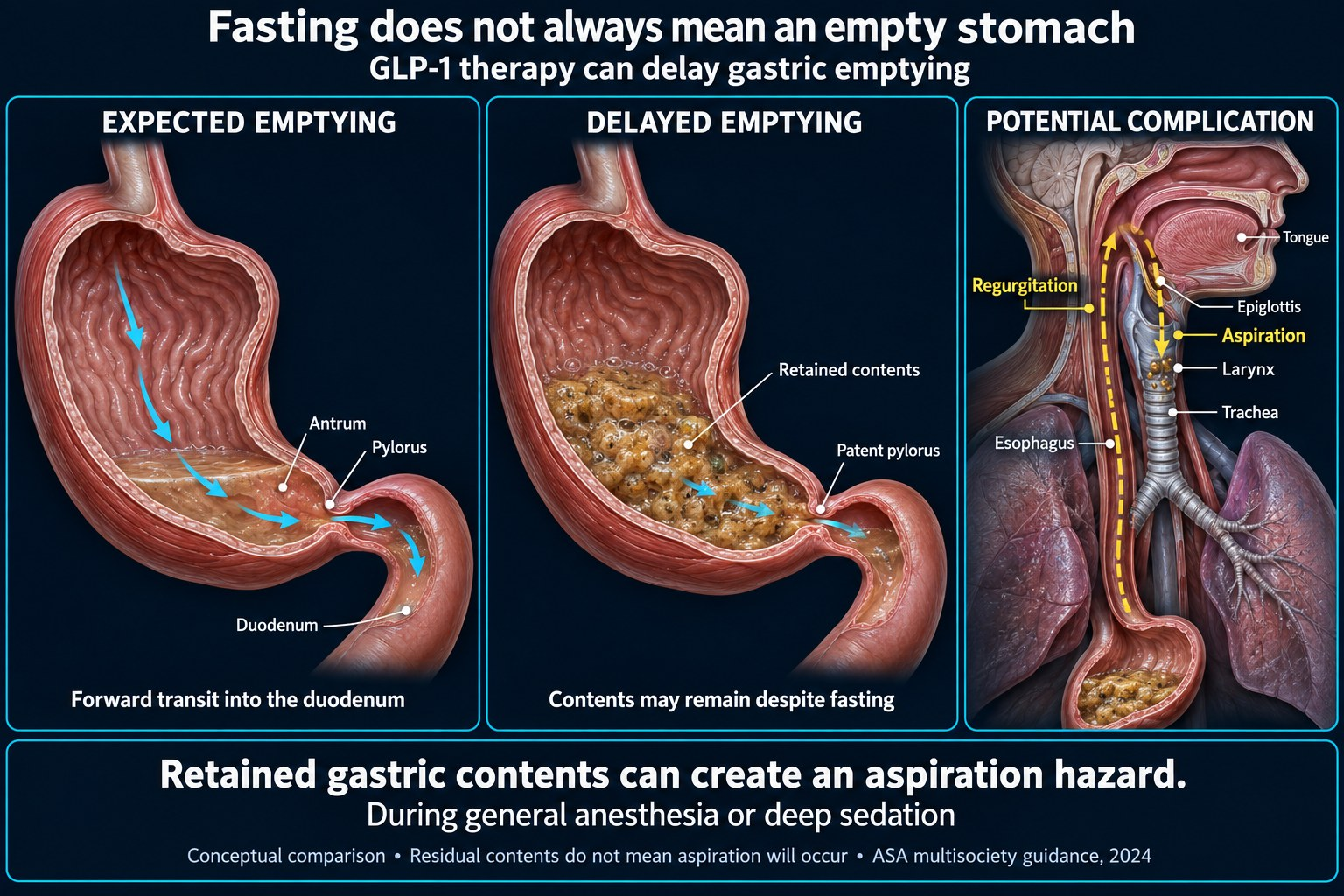
The pharmacology never supported it
Holding one dose does not restore gastric emptying. Normalization would require roughly five half-lives off the drug. For once-weekly semaglutide that is approximately five weeks — not one.4 A one-week hold is a fraction of the interval that would actually matter, while carrying the full cost of interrupted glycemic control and the practical burden of rescheduling.
Gastric emptying also tends to normalize as patients move from dose escalation onto a stable maintenance dose,4 which is why the risk stratification in the newer guidance turns on where the patient is in their treatment rather than on whether they took a dose.
Dosing interval is not half-life
The 2023 rule sorted these drugs by how often they are taken — daily formulations held on the day, weekly ones held for a week. Dosing interval turns out to be a poor proxy for how long the drug is actually present.
| Agent | Route | Interval | Half-life | Steady state |
|---|---|---|---|---|
| Semaglutide (Ozempic, Wegovy) | Subcutaneous | Weekly | 1 week | 4–5 weeks |
| Semaglutide (Rybelsus) | Oral | Daily | 1 week | 4–5 weeks |
| Tirzepatide (Mounjaro, Zepbound) | Subcutaneous | Weekly | 5 days | 4 weeks |
| Dulaglutide (Trulicity) | Subcutaneous | Weekly | 4.7–5.5 days | 2–4 weeks |
| Liraglutide (Victoza) | Subcutaneous | Daily | 12.6–14.3 hours | 3 days |
Half-life and steady-state figures as tabulated by SPAQI.11
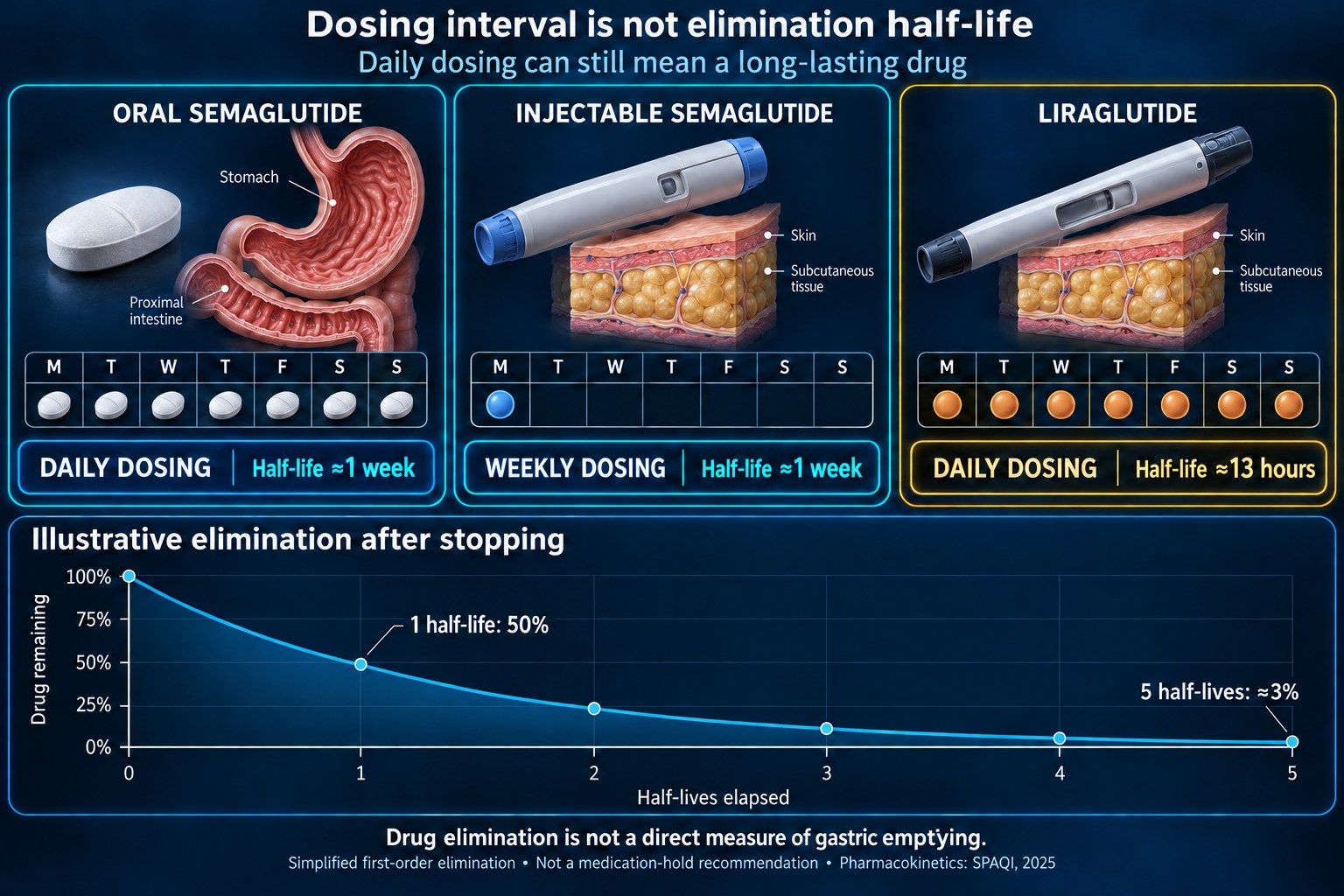
Two drugs taken daily, half-lives differing more than tenfold. Liraglutide clears in about half a day. Oral semaglutide is the same molecule as the weekly injection, with the same one-week half-life and the same four-to-five-week time to steady state — it is dosed daily because oral absorption is poor, not because it leaves faster. Holding liraglutide on the morning of surgery removes nearly two half-lives. Holding oral semaglutide that morning removes about a seventh of one, which does essentially nothing to gastric emptying — the same arithmetic that undid the one-dose hold for injections applies with more force to the tablet, not less.
Asking “are you on Ozempic?” no longer establishes the route. Oral semaglutide is now marketed both as Rybelsus and as Ozempic tablets, which the label notes are not substitutable on a milligram-for-milligram basis.18 Worth asking for the formulation rather than the brand. The tablets also carry an administration requirement that collides with a clear-liquid instruction: they are taken on an empty stomach in the morning with no more than 4 ounces of water, water only, and nothing else to eat or drink — and no other oral medication — for at least 30 minutes afterward.18
The costs of holding are real
The multisociety guidance asks clinicians to weigh the risk of delayed emptying against the risk of stopping the drug for the condition it is treating, and notes that bridging off a GLP-1 agonist is resource intensive, may be cost or insurance prohibitive, and risks adverse effects including loss of glycemic control and hypoglycemia.3
And it names something most guidance documents do not. The 2024 guidance states that withholding GLP-1 drugs perioperatively only for patients with the diseases of overweight and obesity could constitute overweight and obesity bias, which should be avoided.3 Roughly one in eight US adults now uses a GLP-1 drug,3 for diabetes, weight, or cardiovascular indications — and the reason for the prescription should not determine whether the perioperative rule applies.
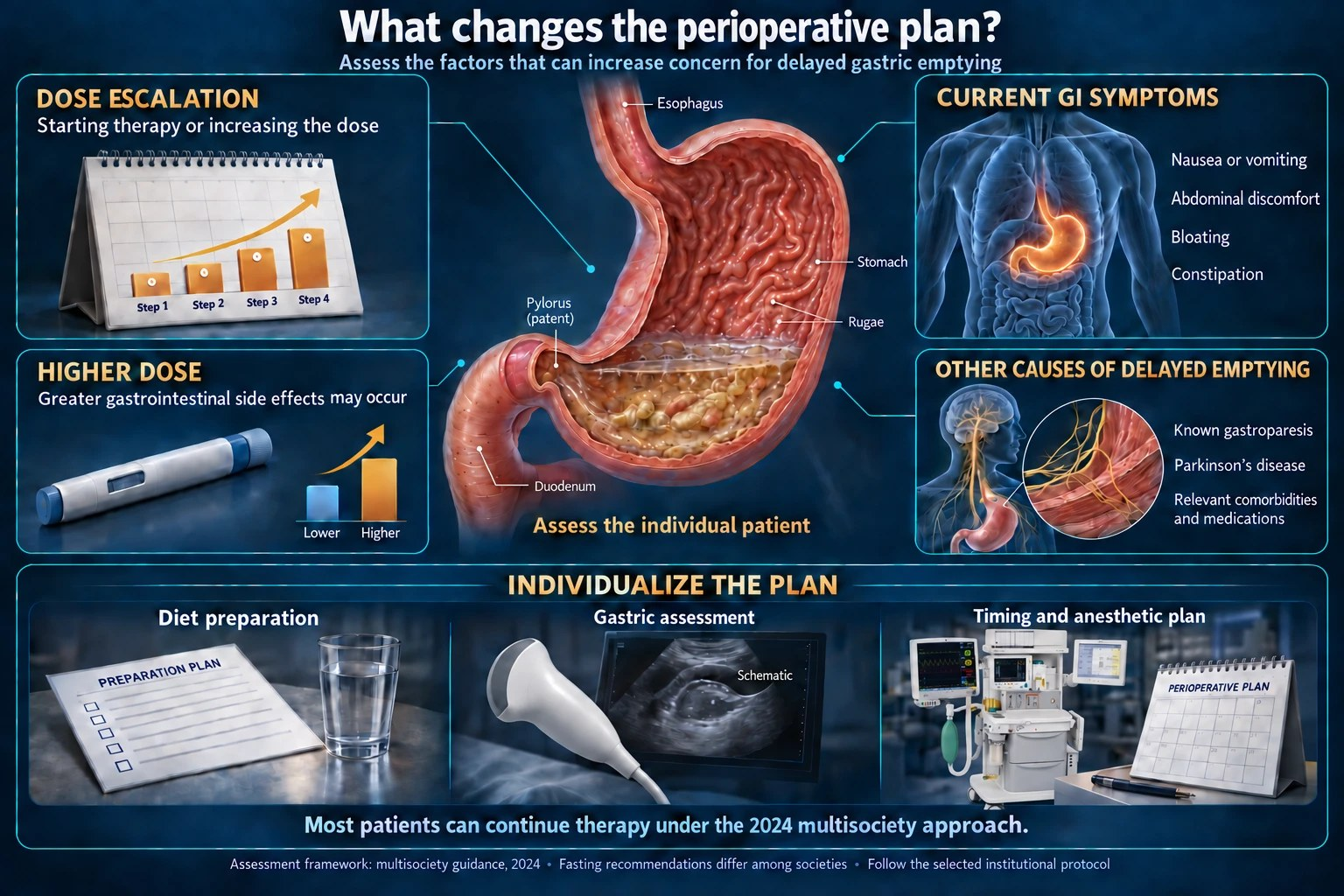
Who is actually higher risk
| Factor | Direction |
|---|---|
| Dose escalation phase | Higher risk than maintenance phase5 |
| Higher dose | Greater GI side effects, greater risk5 |
| Weekly formulation | GI side effects more common than with daily5 |
| Active GI symptoms | Defer elective surgery until symptoms have dissipated3 |
| Other causes of gastroparesis | Long-standing diabetes, Parkinson’s disease, prior vagal injury — modify the plan further3 |
Gastric ultrasound: useful, and not universally available
Point-of-care gastric ultrasound is the tool both documents reach for when there is clinical concern about retained contents on the day of the procedure. Both also flag its practical limits: it depends on institutional resources, carries interuser variability, and may require credentialing.2
The underlying data justify the concern it is used to resolve. Studies using endoscopy and gastric ultrasound have repeatedly found residual gastric contents in patients on GLP-1 receptor agonists after conventional fasting, including in volunteers without obesity recently started on semaglutide.6,7 A large analysis of residual gastric content before anesthesia was published in JAMA Surgery in 2024,8 and a meta-analysis has quantified the magnitude of the emptying delay.9
What none of that establishes is a matching rate of clinical aspiration. Case reports exist — including intraoperative pulmonary aspiration attributed to semaglutide-related delayed emptying1 — but large observational series have not shown a major increase in clinical aspiration in elective surgery.19 The current guidance reflects both facts at once: the physiology is real, and the event rate is low.
The largest outcome comparison to date points the same way. A propensity-matched analysis of surgical patients with type 2 diabetes, drawn from records predating the 2023 hold advice, found no increase in aspiration risk with preoperative GLP-1 agonist use against any comparator drug class — and lower 14-day mortality than metformin, 0.98% against 2.20% (risk ratio 0.44, 95% CI 0.31–0.64), with lower mortality and less bacterial pneumonia than DPP-4 inhibitors.19 It is observational and the authors call for prospective confirmation, but it is the first sizable dataset to weigh the harm of the drug against the harm of the disease it treats.
Where the societies still disagree
This is not fully settled, and knowing which document your institution follows matters.
- The endoscopy societies did not move with the others. ASGE’s own position statement suggests holding GLP-1 agonists before elective endoscopy in every patient taking one — at least 24 hours for daily formulations, at least seven days for weekly — and a 24-hour liquid diet for all of them, with no risk stratification gating either.20 That is a materially more conservative position than the multisociety guidance, which holds only where risk is elevated and reserves the liquid diet for the higher-risk subset. Both were published within months of each other, so a patient for endoscopy and the same patient for surgery can meet opposite instructions. ASGE does recommend against delaying urgent, emergent or time-sensitive procedures.20
- SPAQI recommends continuing the drug but fasting longer — a 24-hour solid fast for everyone on a GLP-1 agonist, rather than a liquid diet for the higher-risk subset. Set out above.11
- UK practice has its own document — a multidisciplinary consensus statement from the Association of Anaesthetists and colleagues covering GLP-1 agonists, GIP agonists and SGLT-2 inhibitors together.12
- Surveys of practicing anesthesiologists continue to show variable adoption and residual disagreement with the guidance.13
Published comparisons of these documents note that recommendations vary significantly on both medication management and fasting protocols.14 If your unit’s pre-op instruction sheet still says hold, that is not necessarily an error — but it should be a decision rather than an artifact.
The practical reading
- Ask where the patient is in their treatment — escalating or stable, what dose, weekly or daily, last dose when.
- Ask about GI symptoms today, not in general. This is the question that changes the plan.
- Higher risk gets a 24-hour liquid diet, not a canceled case.
- Scan if you are concerned and able. A gastric ultrasound answers the question that the medication history only estimates.
- Adjust the anesthetic rather than the schedule where possible — rapid sequence induction, or a technique that does not require an unprotected airway.
- Restart when the patient is eating normally. Coordinate with the prescriber, particularly if the interruption ran long enough to require re-titration.
Frequently asked questions
Do I need to stop Ozempic or Mounjaro before surgery?
Under the October 2024 multisociety guidance, most patients should continue their GLP-1 receptor agonist before elective surgery.3 This reversed the 2023 ASA guidance, which recommended holding daily formulations on the day of surgery and weekly formulations for one week.1 Patients at higher risk of delayed gastric emptying are advised to take a liquid diet for 24 hours before the procedure instead.3
Why did the recommendation change?
Partly pharmacology and partly consequences. Holding a single dose does not normalize gastric emptying — that would require roughly five half-lives, about five weeks for weekly semaglutide.4 And the costs of holding are substantial: loss of glycemic control, rescheduling burden, and cost or insurance barriers.3 The newer guidance replaces a blanket hold with risk stratification.
Will my surgery be canceled because I take a GLP-1?
In most cases it should not be — but the guidance names two situations where elective surgery should wait. The first is active gastrointestinal symptoms: nausea, vomiting, abdominal pain, bloating or constipation, which should settle first. The second is the dose-escalation phase, the four to eight weeks while your dose is still being increased; the guidance advises deferring elective surgery until escalation has passed and GI side effects have dissipated.3 Beyond those, a decision on the day turns on whether there is clinical concern for retained stomach contents — which gastric ultrasound can assess — and is made with you, weighing a modified anesthetic against rescheduling.2
Who is at higher risk of a full stomach on a GLP-1?
Patients still escalating their dose rather than on a stable maintenance dose, those on higher doses, those on weekly rather than daily formulations, and those with other causes of delayed gastric emptying such as long-standing diabetes or Parkinson’s disease.3,5
Do oral GLP-1 tablets need to be held differently from injections?
Not on the strength of being a tablet. Oral semaglutide is the same molecule as the weekly injection and has the same one-week half-life; it is taken daily because it is absorbed poorly, not because it clears quickly.11 Skipping the morning tablet removes about a seventh of one half-life and does little to gastric emptying. The current guidance sorts patients by risk — dose-escalation phase, dose, symptoms — rather than by route. Tell your anesthesia team the formulation and not just the brand name: oral semaglutide is sold both as Rybelsus and as Ozempic tablets, while Ozempic is also an injection.18
Is the aspiration risk from GLP-1 drugs real or overblown?
Both things are true. Studies using endoscopy and gastric ultrasound consistently find residual gastric contents after standard fasting in patients on these drugs,6,7,8 and case reports of aspiration exist.1 But large observational series have not demonstrated a major increase in clinical aspiration during elective surgery, and the largest matched comparison to date found no increase in aspiration risk against any comparator drug class, alongside lower short-term mortality.19 The current guidance is written to hold both findings at once.
What is gastric ultrasound and will I get one?
A bedside ultrasound of the stomach that estimates residual contents. Both documents recommend it where there is clinical concern on the day of the procedure, and both note that availability depends on institutional resources, operator training and credentialing.1,2 Not every unit can offer it.
References
- Joshi GP, Abdelmalak BB, Weigel WA, et al. American Society of Anesthesiologists consensus-based guidance on preoperative management of patients (adults and children) on glucagon-like peptide-1 (GLP-1) receptor agonists. ASA, June 2023. asahq.org/about-asa/newsroom/news-releases/2023/06/american-society-of-anesthesiologists-consensus-based-guidance-on-preoperative. Includes the Klein & Hobai case report of semaglutide, delayed gastric emptying and intraoperative pulmonary aspiration.
- Multisociety clinical practice guidance for the safe use of glucagon-like peptide-1 receptor agonists in the perioperative period. Clin Gastroenterol Hepatol. doi:10.1016/j.cgh.2024.10.003. PMID 39480373. Also published in Surg Obes Relat Dis. 2024;20(12):1183–1186.
- New multi-society GLP-1 clinical practice guidance released. American Society of Anesthesiologists news release, 29 October 2024. asahq.org/about-asa/newsroom/news-releases/2024/10/new-multi-society-glp-1-guidance. Continuation for most patients; 24-hour liquid diet for highest-risk; deferral both for GI symptoms and through dose escalation; the overweight and obesity bias statement; approximately one in eight US adults using GLP-1 drugs.
- Jones T. How should GLP-1 receptor agonists be managed in the perioperative period? Anesthesia Thoughts, 27 January 2026. anesthesiathoughts.com/p/how-should-glp-1-receptor-agonists. Commentary noting that five half-lives — about five weeks for weekly semaglutide — would be required to normalize gastric emptying, and that emptying often normalizes on a stable dose.
- Idris I, et al. Multi-society consensus guidance on handling of GLP-1 therapy prior to general anaesthesia. Diabetes Obes Metab Now. 2024. doi:10.1002/doi2.70009. Summarizes the risk factors: escalation phase, higher dose, weekly versus daily formulation.
- Silveira SQ, da Silva LM, de Campos Vieira Abib A, et al. Relationship between perioperative semaglutide use and residual gastric content: a retrospective analysis of patients undergoing elective upper endoscopy. J Clin Anesth. 2023;87:111091. doi:10.1016/j.jclinane.2023.111091. PMID 36870274.
- Sherwin M, Hamburger J, Katz D, et al. Influence of semaglutide use on the presence of residual gastric solids on gastric ultrasound: a prospective observational study in volunteers without obesity recently started on semaglutide. Can J Anaesth. 2023;70(8):1300–1306. doi:10.1007/s12630-023-02549-5. PMID 37466909.
- Sen S, Potnuru PP, Hernandez N, et al. Glucagon-like peptide-1 receptor agonist use and residual gastric content before anesthesia. JAMA Surg. 2024;159(6):660–667. doi:10.1001/jamasurg.2024.0111. PMID 38446466. PMC10918573.
- Hiramoto B, McCarty T, Lodhia N, et al. Quantified metrics of gastric emptying delay by glucagon-like peptide-1 agonists: a systematic review and meta-analysis with insights for periprocedural management. Am J Gastroenterol. 2024;119(6):1126–1140. doi:10.14309/ajg.0000000000002820. PMID 38634551. PMC11150091.
- Hosmer AE. Perioperative management of GLP-1 receptor agonists. ASGE Journal Scan, General Endoscopy, reviewing Kindel TL, et al. Clin Gastroenterol Hepatol. 2025. asge.org/home/resources/publications/journal-scan/issue/perioperative-management-of-glp-1-receptor-agonists. A journal summary of the multisociety guidance at reference 2, not a statement of ASGE’s own position, which is at reference 20 and differs from it.
- Oprea AD, Ostapenko LJ, Sweitzer B, et al. Perioperative management of patients taking glucagon-like peptide 1 receptor agonists: Society for Perioperative Assessment and Quality Improvement (SPAQI) multidisciplinary consensus statement. Br J Anaesth. 2025;135(1):48–78. doi:10.1016/j.bja.2025.04.001. PMID 40379536. Modified Delphi with a registered systematic review (PROSPERO CRD42023438624); source of the recommendation grades, the symptom definition, and the pharmacokinetic table.
- El-Boghdadly K, Dhesi J, Fabb P, et al. Elective peri-operative management of adults taking glucagon-like peptide-1 receptor agonists, glucose-dependent insulinotropic peptide agonists and sodium-glucose cotransporter-2 inhibitors: a multidisciplinary consensus statement. Anaesthesia. 2025;80(4):412–424. doi:10.1111/anae.16541. PMID 39781571. PMC11885194.
- Boudreau B, Watson NC. Anesthesiologists’ perspectives on GLP-1 receptor agonists in elective surgeries: a qualitative survey analysis of national data. Cureus. 2025;17(11):e95986. doi:10.7759/cureus.95986
- Chang MG, Bittner EA. Comparison of societal guidance on perioperative management of glucagon-like peptide-1 receptor agonists: implications for clinical practice and future investigations. Can J Anaesth. 2024;71(9):1302–1315. doi:10.1007/s12630-024-02810-5. PMID 39187641
- American Diabetes Association. Introduction: Standards of Medical Care in Diabetes—2022. Diabetes Care. 2022;45(Suppl 1):S1–S2. doi:10.2337/dc22-Sint. PMID 34964812. The document cited by SPAQI (reference 11) for its grading. Source of the evidence grading scheme SPAQI applies: A, clear evidence from well-conducted, generalizable, adequately powered randomized controlled trials; B, supportive evidence from well-conducted cohort studies; C, supportive evidence from poorly controlled or uncontrolled studies; E, expert consensus or clinical experience.
- Khandaker R, Jahantighi AB, Schwarz J, et al. Perioperative management of patients taking glucagon-like peptide-1 receptor agonists: a restrictive fasting regimen is not necessary. Br J Anaesth. 2025;135(6):1816–1818. doi:10.1016/j.bja.2025.09.027. PMID 41125490.
- Frank C, El-Boghdadly K, Dhesi J. Perioperative management of patients taking glucagon-like peptide-1 receptor agonists: implementation of complex fasting recommendations. Br J Anaesth. 2026;136(1):375–376. doi:10.1016/j.bja.2025.09.028. PMID 41162252.
- Semaglutide tablets (Rybelsus, Ozempic) prescribing information. Novo Nordisk. DailyMed structured product label, revised January 2026. dailymed.nlm.nih.gov/dailymed/drugInfo.cfm?setid=27f15fac-7d98-4114-a2ec-92494a91da98. Source of the administration requirements — empty stomach, up to 4 ounces of water, water only, and at least 30 minutes before food, other beverages or other oral medications — and of the statement that the two oral products are not substitutable on a milligram-for-milligram basis.
- Choi UE, Nicholson RC, Messinger C, et al. Preoperative glucagon-like peptide-1 receptor agonists and postoperative outcomes: an observational analysis. Anesthesiology. Published online 12 August 2026. doi:10.1097/ALN.0000000000006326. PMID 42585629. Propensity-matched analysis of adults with type 2 diabetes in the TriNetX Research Network, using data predating the 2023 hold guidance.
- Sharaiha RZ, Shukla AP, Sen S, et al. American Society for Gastrointestinal Endoscopy position statement on periendoscopic management of patients on glucagon-like peptide-1 receptor agonists and sodium-glucose cotransporter-2 inhibitors. Gastrointest Endosc. 2025;101(2):285–294. doi:10.1016/j.gie.2024.10.057. PMID 39892967. Read in full. Statement 3 suggests a 24-hour liquid diet before endoscopy for all patients on GLP-1 receptor agonists. Statement 9 suggests holding before elective endoscopy: at least 24 hours for daily dosing, at least seven days for weekly, with 100% panel agreement. Statements 4 and 6 recommend against delaying urgent, emergent or time-sensitive endoscopy. The statement makes no recommendation on gastric ultrasound.
Disclaimer. Reference information for licensed clinicians and students. Not a medical device, and not a substitute for clinical judgment. This is an area where society guidance has changed recently and still differs between documents — verify against your institutional protocol and current package inserts.
The current hold-or-continue guidance ships inside Helix Anesthesia — a point-of-care reference built by a practicing CRNA, with drug entries, surgical cases and crisis checklists, all cited and available offline. See how we source clinical content.
Built for the anesthesia machine, not the desk. It opens in one tap, works with no signal in an OR that has none, and shows the citation on screen beside the number rather than making you go and find it.
Free tier, no card: every calculator, every crisis checklist, the full drug library and glossary, three complete regional blocks, five complete surgical cases, and 15 AI questions a month.
Get Helix Anesthesia How we source itSign up for our newsletter and special offers. New answer pages, improvements to the ones already here, and the occasional offer. Nothing else, and not often.