
Anesthetic considerations for Myasthenia Gravis
A complete perioperative guide for anesthesia providers — relaxant strategy, extubation prediction, crisis recognition, and thymectomy.
Every clinical claim on this page is cited to its source below. How we source clinical content.
The short answer
Myasthenia gravis inverts the relaxant rules: patients are profoundly sensitive to nondepolarizing agents and relatively resistant to succinylcholine (ED95 roughly twice normal in adults and three to four times normal in children). The strongest strategy is avoiding neuromuscular blockade altogether; where it is needed, rocuronium with sugammadex is preferred. The Leventhal score performs poorly on validation and has been superseded by the validated Kanai score, and myasthenic crisis can develop days after surgery.
Key takeaways
- Myasthenia gravis inverts the relaxant rules. Patients are profoundly sensitive to nondepolarizing agents and relatively resistant to succinylcholine — the ED95 of suxamethonium is roughly twice normal in adults (some sources give about 2.5 times) and three to four times normal in children.
- The best relaxant strategy is often no relaxant at all. One center reported that raising the proportion of NMBA-free general anesthetics from 67% to 94% increased direct ward transfer from 26% to 93%.
- Where a relaxant is needed, rocuronium plus sugammadex is the combination of choice. Sugammadex works by encapsulation and is unaffected by the patient’s anticholinesterase therapy.
- The Leventhal score is still widely taught but performs poorly on validation. Its performance has been described as sensitivity 22% with a positive predictive value of 25% for predicting the need for postoperative ventilation. The validated modern replacement is the Kanai score (preoperative reduced vital capacity, disease duration under 3 months, bulbar symptoms), which has a high negative predictive value.
- A long list of common drugs worsens myasthenic weakness — including aminoglycosides, fluoroquinolones, macrolides, magnesium, beta blockers, and calcium channel blockers.
- The risk does not end in recovery. Myasthenic crisis can develop over the following days, postoperative pneumonia is the main postoperative risk factor for it, and 10–20% of patients with myasthenia gravis experience a crisis at some point.
The pathophysiology that drives every anesthetic decision
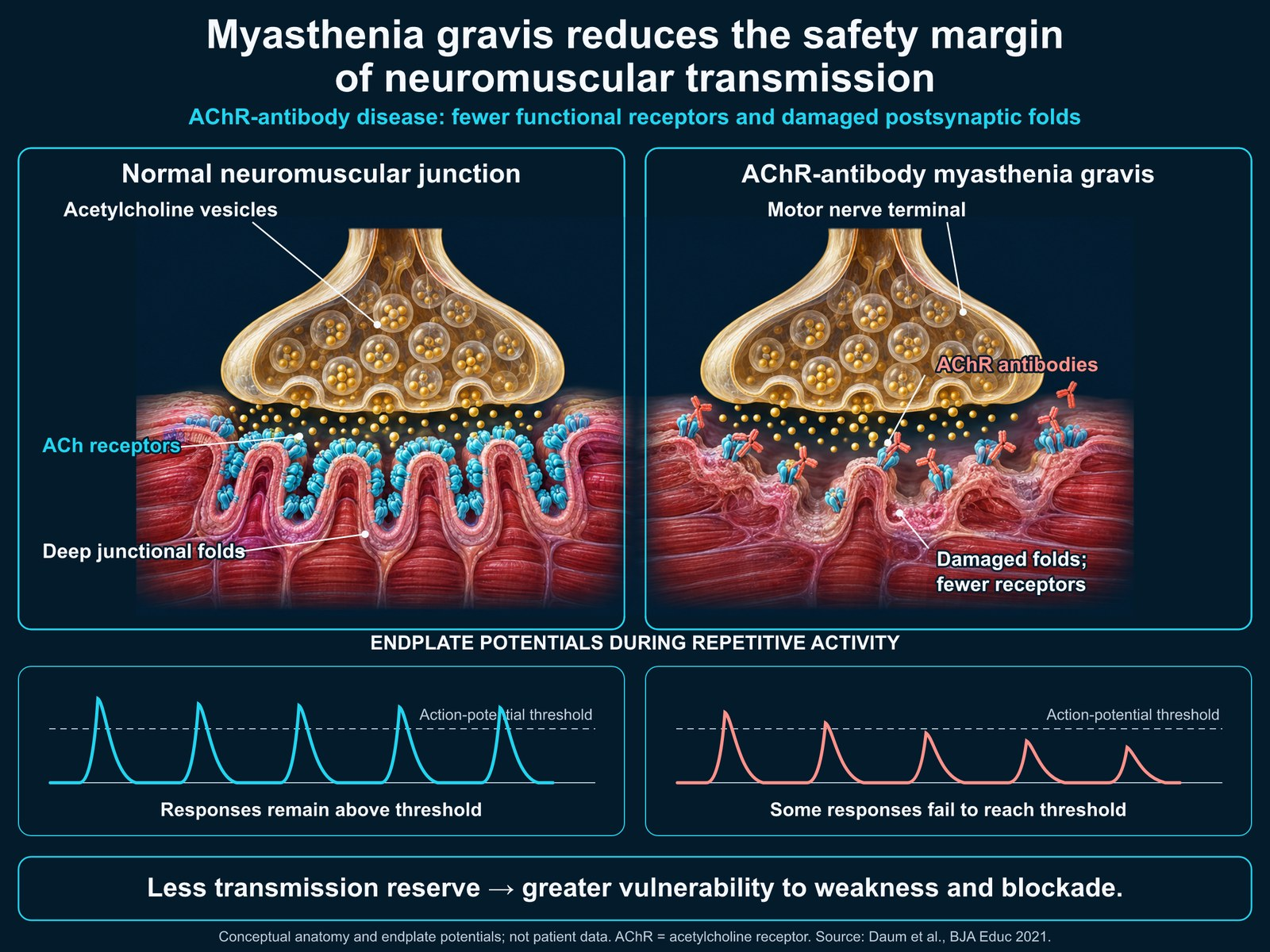
Myasthenia gravis is the most common disorder of the neuromuscular junction, characterized by fatigable weakness of skeletal muscle. It is a B-cell mediated autoimmune disease in which antibodies bind to the acetylcholine receptor or to functionally related postsynaptic molecules including muscle-specific kinase (MuSK), lipoprotein receptor-related peptide 4 (LRP4), or agrin.1
Antibodies to the acetylcholine receptor disrupt its function through several mechanisms at once: direct receptor blockade, conformational change, complement activation, and crosslinking that accelerates receptor degradation. The end result is reduced functional receptor density at the motor end plate, a smaller end-plate potential, and failure to reliably initiate muscle fiber contraction.1
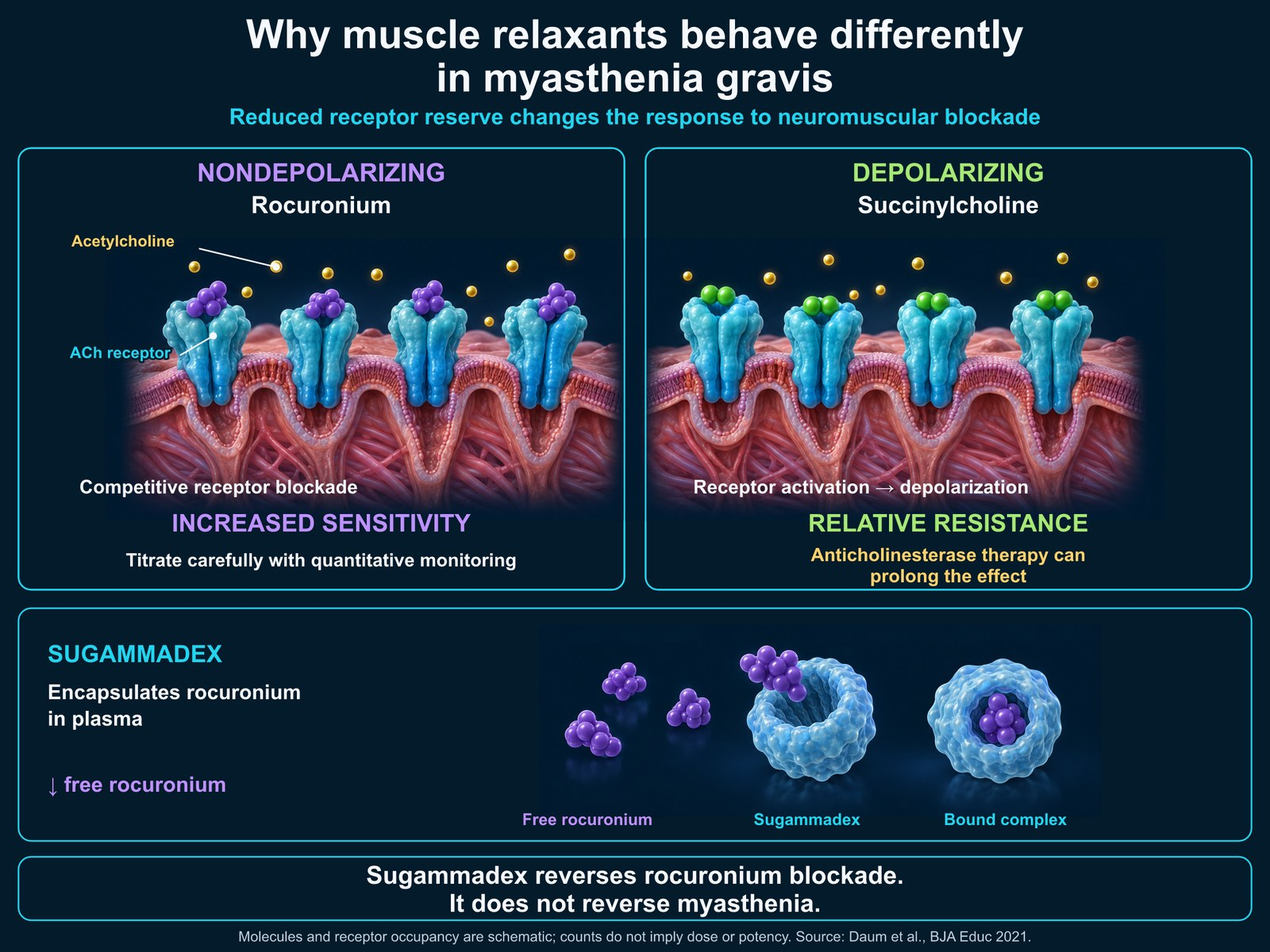
Everything else follows from that single fact. Fewer functional receptors means less reserve. A nondepolarizing agent that occupies a normal proportion of receptors occupies a catastrophic proportion of the ones that remain — hence the sensitivity. A depolarizing agent that needs to occupy receptors to work finds fewer available — hence the resistance. Both behaviors come from the same lesion.
Serologic subtypes worth distinguishing
| Subtype | Proportion | What changes perioperatively |
|---|---|---|
| AChR antibody positive | Most generalized cases | The classic presentation. Responds to anticholinesterases. Thymic pathology common; thymectomy has randomized evidence behind it in this group. |
| MuSK antibody positive | A minority | Bulbar and respiratory predominance, higher crisis risk, and characteristically poor — sometimes worsened — response to anticholinesterase therapy. Treat any patient labeled “MuSK” as higher acuity than the general picture suggests. |
| LRP4, agrin, seronegative | Small | Heterogeneous. Clinical severity, not serology, drives management. |
| Ocular only | — | Lower perioperative risk, but ocular disease can generalize, and the history should establish whether it already has. |
This is in the app, with the drug library and reversal dosing — free tier, no card. Get it →
Preoperative assessment
Establish disease severity and trajectory
The MGFA clinical classification (Class I ocular through Class V requiring intubation) is the common language. What matters most is whether the patient has bulbar involvement, whether they have ever had a crisis, and whether the disease is stable or worsening. A history of preoperative myasthenic crisis was one of five determinants of prolonged postoperative ventilation in a thymectomy series, alongside Osserman grade, vital capacity below 2.9 L, thymoma on computed tomography and acetylcholine receptor antibody positivity.2 A recent exacerbation or hospitalization is worth the same attention on the same reasoning, though that series did not measure either. The 2020 International Consensus Guidance provides the current framework for managing myasthenia gravis.21
Respiratory assessment
Ask about bulbar symptoms specifically — swallowing difficulty, nasal speech, chewing fatigue during meals. These predict aspiration risk and postoperative respiratory failure better than any lung volume. Spirometry with vital capacity is worth having, but see the section below on how poorly the numbers actually perform in isolation. Patients with neuromuscular disease frequently show a restrictive pattern as respiratory muscles become involved.3
Medication review — and the newer agents
The treatment landscape has changed substantially in the last decade, and the medication list now tells you more than it used to.4
| Class | Examples | Perioperative relevance |
|---|---|---|
| Anticholinesterase | Pyridostigmine | Prolongs succinylcholine and alters nondepolarizing requirements. Dose and timing need a deliberate decision, not a default. |
| Corticosteroid | Prednisone | Stress-dose considerations, wound healing, glycemic control. |
| Conventional immunosuppressant | Azathioprine, mycophenolate, tacrolimus, methotrexate | Infection risk, marrow suppression, drug interactions. |
| B-cell depletion | Rituximab | Prolonged immunosuppression; hypogammaglobulinemia. |
| Complement inhibition | Eculizumab, ravulizumab, zilucoplan | Meningococcal infection risk; vaccination status matters. |
| FcRn blockade | Efgartigimod, rozanolixizumab | Cyclical dosing — where the patient sits in the cycle affects their strength on the day of surgery. |
The presence of complement inhibitors or FcRn blockers is a signal that the disease has been refractory to conventional therapy. Ask when the last dose was given.
Preoperative optimization
Plasma exchange and intravenous immunoglobulin are both used to improve strength before surgery in patients with significant weakness. When plasmapheresis is used to optimize strength, the last session is ideally about 48 hours before surgery.7 Preoperative IVIG for crisis prevention is not justified in patients who are already well controlled — a Quantitative Myasthenia Gravis score below 8 or a vital capacity above 70% predicted.7 Randomized trials of preoperative IVIG have shown no significant benefit in well-controlled patients and meta-analyses of plasmapheresis are mixed, so neither is routine for every patient; a risk-based approach guided by validated scores is preferred.36 IVIG given before mechanical ventilation has been associated with reduced progression to crisis in patients presenting with acute dyspnea.5 For elective surgery, the practical question is whether the case can wait for the patient to be optimized — and usually it can.
The relaxant problem
Succinylcholine: resistance, not contraindication
Because functional receptor density is reduced, patients are resistant to depolarizing agents. In adults roughly twice the usual dose is required — some sources give an ED95 about 2.5 times normal1 — and children may need three to four times the normal dose.31 Published ED95 values sometimes rest on one or two patients and should be read cautiously.31 There is an increased risk of developing a phase II block.1 Ongoing pyridostigmine therapy prolongs the action of succinylcholine further, since both are handled by cholinesterase.1
Practically: succinylcholine will work, at a higher dose, with less predictable offset. Where a rapid sequence induction is genuinely required, it remains an option. A scoping review noted that patients with a complicated disease course had higher rates of succinylcholine and volatile agent use, though the direction of causation in retrospective data is not established.6 Note that real-world data on emergency rapid sequence intubation outside the operating room show that most myasthenic patients receive no dose adjustment, with cases of possible prolonged paralysis — a reason to anticipate and prepare for delayed recovery when RSI is performed outside the controlled OR setting.25
Nondepolarizing agents: profound sensitivity
The mirror image. Patients are profoundly sensitive to nondepolarizing agents, and recommended reductions span a wide range: incremental doses of about one-tenth of the standard intubating dose,1 10–20% of the normal atracurium dose for thymectomy,31 and up to about half the dose used in non-myasthenic patients.7 Vecuronium dose-response data show markedly lower requirements in myasthenic patients than in controls.32 Individual requirements vary widely, and the essential point is careful titration against the monitor rather than any fixed fraction. Even small doses and residual drug effect can produce respiratory distress or loss of airway protection after emergence.26
Quantitative monitoring is not optional here. Qualitative assessment — visual or tactile train-of-four, sustained tetanus, head lift — cannot detect the degree of residual blockade that matters in a patient with no neuromuscular reserve. If your institution has quantitative monitors, this is the case for one.
Volatile agents are relaxants too
Patients with myasthenia gravis are more sensitive to the neuromuscular effects of volatile anesthetics.26 In many cases a volatile agent at adequate depth, with or without remifentanil, provides sufficient relaxation for intubation and surgery without any neuromuscular blocking drug at all. No single volatile agent has been shown superior, and all are generally considered acceptable.3
The strategy that outperforms all of them: avoid relaxants
This is where the strongest outcome signal sits. Gritti and colleagues reported that increasing the proportion of patients receiving general anesthesia without a neuromuscular blocking agent from 67% to 94% raised the rate of direct transfer to the surgical ward after surgery from 26.0% to 93.2%, substantially reducing ICU admissions. Fujita and colleagues reported that thymectomy was successfully performed in 90.9% of patients receiving combined general and epidural anesthesia without any neuromuscular blocking agent.8
Techniques that make this feasible: adequate depth with propofol or volatile, remifentanil to blunt airway reflexes, topicalization of the airway, and video laryngoscopy. Induction agents — propofol, etomidate, ketamine — are used without particular difficulty in this population.9
Sugammadex has changed the calculus
Where a relaxant is unavoidable, rocuronium with sugammadex is the recommended combination.1 The mechanism is the reason: sugammadex reverses blockade by encapsulating the steroidal molecule, so it is unaffected by the patient’s anticholinesterase therapy, does not alter acetylcholine release or breakdown, and does not interfere with neuromuscular junction physiology.1 Neostigmine, by contrast, adds cholinergic load to a patient already on pyridostigmine — with the risk of tipping into cholinergic excess.
The outcome evidence is mixed but on balance favorable. A Japanese nationwide propensity score analysis (Mouri and colleagues, 795 thymectomy patients) found sugammadex use associated with significantly less postoperative myasthenic crisis than controls (4.3% versus 8.7%; odds ratio 0.48).22 A 2025 multicenter randomized controlled trial in patients with mild disease found sugammadex superior to neostigmine for quality of reversal and reduction of residual blockade after thoracoscopic thymectomy.23 Dosing follows depth of blockade rather than weight band in the usual 4–16 mg/kg range, with the recommendation to reassess the train-of-four ratio until it is consistently above 0.9 and close to the patient’s own baseline.10
Two honest caveats. First, incomplete train-of-four recovery after sugammadex has been reported in myasthenic patients, in some cases requiring an acetylcholinesterase inhibitor afterward. So confirm recovery quantitatively rather than by appearance.3,11 Second, a propensity-matched database study of 2,304 myasthenic surgical patients found no significant difference in postoperative treatment for myasthenic crisis between those receiving rocuronium plus sugammadex and those receiving no relaxant at all (6.2% versus 5.3%).12 The reasonable reading of the whole body of evidence is that sugammadex makes necessary relaxant use safer and, in some datasets, reduces crisis — but it is not a reason to introduce a relaxant when the case can be done without one.
Predicting who will need postoperative ventilation
This is the question the whole anesthetic is built around, and the standard answer deserves more scrutiny than it usually gets.
The Leventhal score
Published in 1980, derived retrospectively from 24 myasthenic patients undergoing thymectomy, weighting four factors:13
| Factor | Points |
|---|---|
| Duration of myasthenia gravis 6 years or more | 12 |
| History of chronic respiratory disease not due to myasthenia | 10 |
| Pyridostigmine dose above 750 mg per day in the 48 hours before surgery | 8 |
| Preoperative vital capacity below 2.9 L | 4 |
A total of 10 or more points predicted the need for prolonged postoperative intubation. In the original cohort the authors correctly predicted ventilatory need in 91% of patients.13,14
What happened on validation
The score has not held up on external validation, and this is the most important thing on this page that is not widely taught.
- 1982, Vancouver. 46 patients, 68 anesthetics. The score retained some value for thymectomy but was found to be of no value for the 41 myasthenic patients undergoing procedures other than thymectomy.15
- A Korean validation cohort of 37 transsternal thymectomy patients found the score correct in 23 of 37 (62.2%), with 9 patients incorrectly predicted ready for extubation.16
- In a 2018 editorial. Campos, surveying the prediction literature, held that previous reports by Leventhal have failed to predict the need for mechanical ventilation after surgery.27
- On review. The score’s performance has been characterized as weak to very weak — sensitivity 22.2%, specificity 77.8%, positive predictive value 25%, and negative predictive value 75% for assessing the need for postoperative ventilatory support. The figures are Chevalley’s,28 reported by Leuzzi and colleagues.17
A sensitivity of 22% means the score misses roughly four of every five patients who will actually need ventilation — and outside thymectomy it has been found of no value at all.15 That is a tool whose main failure mode is false reassurance.
Nor is the problem confined to one scoring system from 1980. Leuzzi and colleagues did not simply re-validate the Leventhal system: they built a purpose-designed postoperative myasthenic crisis score of their own from 177 thymectomy patients, based on Osserman stage, body mass index, previous crisis, symptom duration and lung resection, and reported it at sensitivity 36.8%, specificity 93.8%, positive predictive value 50.0% and negative predictive value 89.7%.17 Better — and still missing nearly two-thirds of the patients who go on to need ventilation. The difficulty is predicting extubation in this disease, not merely the age of the tool.
The validated modern replacement: the Kanai score
The Kanai score (2017) is a validated model for predicting postoperative myasthenic crisis, built on three readily available preoperative factors: reduced preoperative vital capacity (percent-predicted VC or FVC below 80%), disease duration shorter than 3 months, and the presence of bulbar symptoms.19 In the derivation study it outperformed the Leuzzi score (sensitivity 88.2% and specificity 83.3%, against 36.8% and 93.8%), with an area under the curve of 0.84 in derivation and 0.80 in validation. At the cutoff of 3 its negative predictive value was 99.1%: crisis occurred in about 0.9% of patients scoring below 3, against 25.9% at 3 or above.19 That makes it most useful for ruling out crisis risk in low-scoring patients. It predicts postoperative crisis, not readiness for extubation.
What modern series identify
Recent work points to a consistent set of variables: severity of myasthenia gravis, history of preoperative myasthenic crisis, acetylcholine receptor antibody positivity, presence of thymoma, and vital capacity below 2.9 L.2
A retrospective analysis of 97 patients undergoing extended thymectomy found postoperative myasthenic crisis in 38 (39.2%), with disease severity, symptom duration longer than 12 months, and a transsternal rather than minimally invasive approach identified as independent risk factors on multivariate analysis. Postoperative pneumonia significantly prolonged the ventilation period in the crisis group.29
Note that two of those three are fixed before you meet the patient. The third is a surgical decision rather than an anesthetic one, but it is worth knowing which approach is planned, because it changes both the analgesic plan and the disposition conversation. Postoperative pneumonia is the main postoperative risk factor for myasthenic crisis and should be actively prevented and sought; across all crises, infection is the most common trigger, behind 30–50%.7
The practical position. Use the recognized risk factors and the Kanai score to inform how carefully you plan and where the patient recovers — not to decide in advance that extubation is safe. The decision to extubate should be made at the end of the case, on the patient in front of you: full reversal confirmed quantitatively, adequate tidal volumes and vital capacity, intact bulbar function, and the ability to protect the airway. Awake extubation with confirmed ventilatory function is the described ideal.3
Perioperative medication management
Pyridostigmine: the genuine controversy
There is no consensus, and reasonable practice runs both ways.
The case for continuing: abrupt withdrawal risks weakness and crisis, particularly in patients on high doses or with bulbar involvement.
The case for holding the morning dose: anticholinesterase therapy prolongs succinylcholine, confounds nondepolarizing dose requirements, adds cholinergic load that complicates neostigmine reversal, and increases secretions. If the plan is a relaxant-free anesthetic with sugammadex available, the arguments for continuing weaken considerably.
The defensible approach is a decision made jointly with the patient’s neurologist, documented, with the postoperative restart time specified. What should not happen is the dose being held by default because the patient was NPO, with nobody having decided anything.
Steroids and immunosuppressants
Generally continued. Stress-dose corticosteroid supplementation follows usual criteria based on dose and duration of therapy.
Drugs that worsen myasthenic weakness
This list is long and includes agents given routinely for other reasons.1
| Class | Agents |
|---|---|
| Antibiotics | Aminoglycosides, fluoroquinolones, macrolides, ketolides such as telithromycin, clindamycin |
| Cardiovascular | Beta blockers, calcium channel blockers, procainamide, quinidine |
| Electrolytes | Magnesium — the one most likely to be given without thinking |
| Other | Statins (a small increased risk of onset and exacerbation — see below), iodinated contrast, D-penicillamine, chloroquine and hydroxychloroquine |
Statins are associated with a small increased risk of new-onset and worsening myasthenia gravis, most pronounced in the first six months after starting and in patients over 60, with a dose-response by statin intensity; the absolute risk is very low.33,34 In a French national database, statin exposure was associated with more ICU admissions for myasthenia gravis but, paradoxically, lower mortality.35
Magnesium deserves its own line. Magnesium inhibits presynaptic acetylcholine release and can precipitate profound weakness in myasthenic patients. This matters most in obstetrics: a myasthenic parturient with pre-eclampsia presents a genuine conflict, and published guidance suggests treating severe hypertension with methyldopa or hydralazine, avoiding beta blockers and calcium channel blockers where possible.1
Regional and neuraxial anesthesia
Regional techniques are attractive in this population precisely because they avoid the airway and the relaxant question altogether. Two specific considerations apply.
Ester versus amide local anesthetics
Ester local anesthetics are metabolized by plasma cholinesterase — the enzyme the patient’s pyridostigmine is inhibiting. Their effect can therefore be prolonged and less predictable. Amide agents are the more predictable choice in a patient on anticholinesterase therapy.
Respiratory muscle involvement
A high neuraxial block that would be well tolerated in a normal patient may not be tolerated by someone whose respiratory reserve is already reduced. Titrate carefully, and consider whether the required dermatomal level is compatible with the patient’s baseline respiratory function.
Epidural for thoracic surgery
Thoracic epidural analgesia has a specific role in thymectomy: it provides opioid-sparing analgesia in a population where opioid-induced respiratory depression is a meaningful hazard, and combined general-epidural techniques have been used successfully without any relaxant.8 Preoperative epidural morphine has been reported to improve both postoperative analgesia and ventilatory function after transsternal thymectomy.18
Myasthenic versus cholinergic crisis
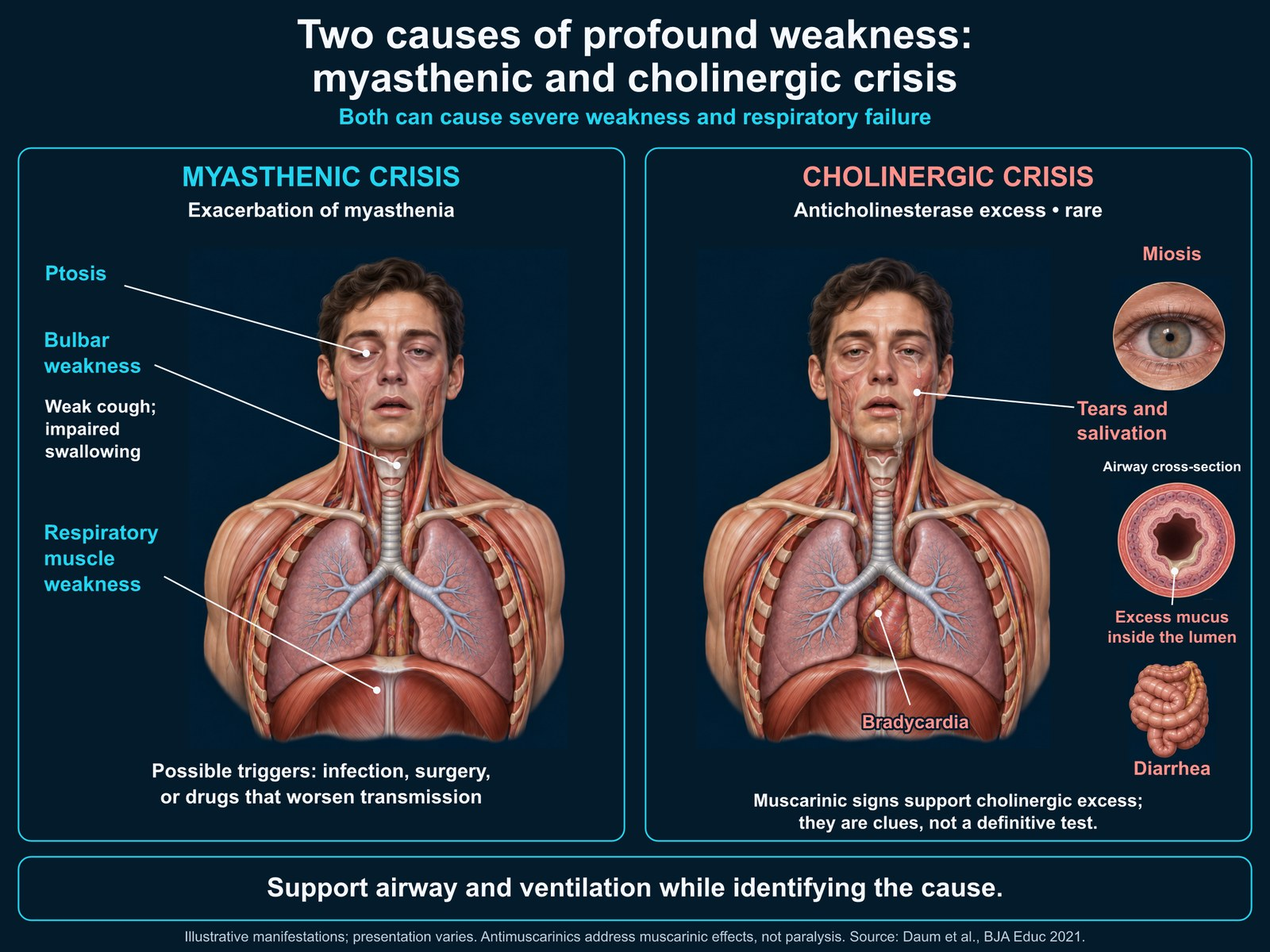
Both present as worsening weakness with respiratory failure. Distinguishing them at the bedside matters because the treatments are opposite.
| Myasthenic crisis | Cholinergic crisis | |
|---|---|---|
| Cause | Undertreatment, infection, surgery, drug trigger | Anticholinesterase excess |
| Muscarinic signs | Absent | Present — salivation, lacrimation, diarrhea, bradycardia, miosis, blurred vision, increased bronchial secretions |
| Pupils | Normal or dilated | Constricted |
| Response to anticholinesterase | Improves | Worsens — and the test itself is now rarely used |
| Treatment | Ventilatory support, plasma exchange or IVIG, treat the trigger | Withhold anticholinesterase, ventilatory support, antimuscarinic for secretions |
Muscarinic features are the discriminator most available at the bedside — lacrimation, increased salivation, diarrhea, and blurred vision raise suspicion for cholinergic crisis.10,26 Note that neostigmine reversal in a patient already on pyridostigmine can itself precipitate cholinergic excess, which is a further argument for sugammadex.26
The bottom row is history rather than practice. The edrophonium test improves a myasthenic crisis and not a cholinergic one, which is why it appears in every version of this table, but it is typically no longer used because of the hazard of drug-induced bradycardia — in a patient who may already be bradycardic from anticholinesterase excess.26 The muscarinic signs are the discriminator actually available at the bedside. Treatment of cholinergic crisis is to stop the anticholinesterase, support ventilation, and give atropine for the muscarinic effects.10
Myasthenic crisis occurs in roughly 10–20% of patients with myasthenia gravis at some point in the disease course, and respiratory infection — including postoperative pneumonia — is a recognized trigger.5,7
Thymectomy
Thymectomy is the operation most anesthesia providers will encounter in this population, and for it the anesthetic is the disease.
The evidence — MGTX
The Thymectomy Trial in Non-Thymomatous Myasthenia Gravis Patients Receiving Prednisone settled a controversy that had run since the 1940s. It was an international, randomized, rater-blinded trial of 126 patients across 36 sites, comparing extended transsternal thymectomy plus alternate-day prednisone against prednisone alone in patients aged 18–65 with generalized non-thymomatous, AChR-antibody-positive disease of less than five years’ duration.24
At three years, the thymectomy group had a lower time-weighted Quantitative Myasthenia Gravis score (6.15 versus 8.99), a lower average alternate-day prednisone requirement, less azathioprine use (17% versus 48%), and fewer hospitalizations for exacerbation (9% versus 37%).24 A two-year extension published in 2019 found the benefit persisted through five years on both QMG score and prednisone requirement,20 and a post hoc analysis found higher rates of sustained minimal-manifestation status and prednisone withdrawal in the thymectomy group.30
Anesthetic implications
- Surgical approach affects the anesthetic and may affect the outcome. In a retrospective series of 97 patients undergoing extended thymectomy, a transsternal rather than minimally invasive approach was one of three independent risk factors for postoperative myasthenic crisis.29 Thoracoscopic and robotic techniques introduce one-lung ventilation and its own considerations.
- A large anterior mediastinal mass changes everything. If thymoma is present and large, the anterior mediastinal mass algorithm takes precedence over the myasthenia — airway or vascular collapse on induction is the more immediate threat.
- Plan the analgesia to protect ventilation. Sternotomy pain restricts the same muscles the disease already weakens.
- Thymoma with myasthenia is a different population from non-thymomatous disease, and the MGTX evidence does not apply to it — thymoma was an exclusion criterion.24
Lambert-Eaton myasthenic syndrome — the one to distinguish
Worth knowing because the anesthetic implications differ in a dangerous direction.
| Myasthenia gravis | Lambert-Eaton | |
|---|---|---|
| Lesion | Postsynaptic AChR | Presynaptic voltage-gated calcium channel |
| Weakness with exertion | Worsens | Transiently improves |
| Distribution | Ocular, bulbar, generalized | Proximal limb predominant |
| Autonomic features | Uncommon | Common — dry mouth, constipation |
| Association | Thymic pathology | Small cell lung cancer |
| Relaxant response | Sensitive to nondepolarizing, resistant to depolarizing | Sensitive to both |
The last row is the point. A patient with Lambert-Eaton has no relaxant that behaves normally, and sensitivity to succinylcholine as well as to nondepolarizing agents makes them arguably more hazardous than a myasthenic patient.
Postoperative care
- Where the patient recovers is a decision, not a default. Extended monitored observation is reasonable in anyone with bulbar involvement, recent crisis, or significant relaxant exposure.
- Watch for late deterioration. Crisis can develop over the following days rather than in the recovery room, and respiratory infection — particularly postoperative pneumonia — is a common trigger.5,7
- Opioid-sparing analgesia is a respiratory intervention, not just a comfort measure. Regional techniques, acetaminophen, and NSAIDs where not contraindicated.
- Restart the anticholinesterase deliberately at a specified time, with the dose reviewed — requirements can change after thymectomy.
- Reassess strength repeatedly. Reversal in this population is unpredictable: incomplete recovery despite escalating sugammadex doses has been reported, in one case with the train-of-four ratio plateauing at 60% after a total of 800 mg and only improving after neostigmine.3,11 Confirm recovery quantitatively rather than assuming it, and keep reassessing after the patient leaves the operating room.
- Avoid the drug list — the postoperative antibiotic order is the most likely place for a myasthenia-worsening agent to be introduced by someone who does not know the diagnosis.
A practical checklist
| Item | Why |
|---|---|
| Serologic subtype — AChR, MuSK, seronegative | MuSK disease is more bulbar and responds poorly to anticholinesterases |
| Bulbar symptoms established by history | Predicts aspiration and respiratory failure better than spirometry |
| Previous crisis; and, on the same reasoning, recent exacerbation or hospitalization | Previous crisis is a measured predictor; the other two are judgment, not data |
| Kanai score calculated (VC, disease duration <3 mo, bulbar symptoms) | Validated predictor of postoperative myasthenic crisis with high negative predictive value |
| Pyridostigmine decision made and documented, with restart time | Neither holding nor continuing by default is a plan |
| Last dose of complement inhibitor or FcRn blocker | Cyclical dosing means strength varies within the cycle |
| Quantitative neuromuscular monitor available and functioning | Qualitative assessment cannot detect what matters here |
| Sugammadex available and dose calculated | Rocuronium plus sugammadex is the recommended pairing |
| Relaxant-free technique considered first | Strongest outcome signal in the literature |
| Magnesium and the interacting-drug list flagged to the whole team | Most likely to be given by someone who does not know the diagnosis |
| Postoperative disposition decided in advance | Crisis can develop days later |
| Extubation criteria stated before induction | Prevents an end-of-case decision made under time pressure |
Frequently asked questions
Can you use succinylcholine in myasthenia gravis?
Yes, but the dose requirement is higher because of reduced acetylcholine receptor density — roughly twice the usual dose in adults (some sources give an ED95 about 2.5 times normal) and three to four times in children — and there is an increased risk of phase II block.1,31 Pyridostigmine therapy further prolongs its action. It is not contraindicated, but it is less predictable, and many providers avoid neuromuscular blocking agents altogether where the case allows.
Why are myasthenic patients so sensitive to rocuronium and vecuronium?
Because there are fewer functional acetylcholine receptors at the neuromuscular junction, so a nondepolarizing agent that would occupy a tolerable proportion of receptors in a normal patient occupies a much larger proportion of those remaining. Published recommendations range from about one-tenth to one-fifth of the standard dose up to about half, with careful titration guided by quantitative monitoring rather than a fixed fraction.1,7,31
Is sugammadex safe in myasthenia gravis?
It is the recommended reversal agent when a steroidal relaxant has been used. It works by encapsulating the molecule rather than by altering cholinergic transmission, so it is unaffected by the patient’s anticholinesterase therapy and avoids the cholinergic load that neostigmine adds.1 A nationwide propensity score analysis found it associated with less postoperative myasthenic crisis than controls, and a 2025 randomized trial found it superior to neostigmine for reversal quality.22,23 Incomplete train-of-four recovery has been reported in some myasthenic patients, so continued vigilance for weakness is still required.3,11
Should pyridostigmine be held before surgery?
There is no consensus. Continuing avoids withdrawal weakness; holding removes the prolongation of succinylcholine, the confounding of nondepolarizing dose requirements, and the added cholinergic load. The defensible approach is a decision made with the patient’s neurologist, documented, with a specified restart time — rather than the dose being held by default because the patient was fasting.
How accurate is the Leventhal score, and what should replace it?
Less accurate than its persistence in teaching suggests. It was derived retrospectively from 24 patients in 1980.13 A 1982 study found it of no value for myasthenic patients undergoing procedures other than thymectomy,15 a validation cohort found it correct in only about 62% of cases,16 and its performance has been characterized as sensitivity 22.2% with a positive predictive value of 25%.17,28 Later investigators, recognizing its inadequacy, developed new models — including the Leuzzi score17 and, most usefully, the validated Kanai score (reduced preoperative vital capacity, disease duration under 3 months, bulbar symptoms), which has an area under the curve of about 0.84 and a negative predictive value of 99.1% at its cutoff.19 Use the recognized risk factors and the Kanai score to inform planning, but make the extubation decision on the patient at the end of the case.
What drugs make myasthenia gravis worse?
Aminoglycosides, fluoroquinolones, macrolides and ketolides, clindamycin, beta blockers, calcium channel blockers, procainamide, quinidine, statins (relatively implicated), iodinated contrast, D-penicillamine, chloroquine — and magnesium, which is the one most likely to be given without anyone considering the diagnosis.1
How do you tell a myasthenic crisis from a cholinergic crisis?
Both cause worsening weakness and respiratory failure. Cholinergic crisis adds muscarinic features — increased salivation and lacrimation, diarrhea, blurred vision, constricted pupils, bronchorrhea — and worsens with additional anticholinesterase.26 Myasthenic crisis lacks those features and improves with anticholinesterase therapy.
Does thymectomy actually help myasthenia gravis?
Yes, for the population studied. The MGTX randomized trial found that thymectomy plus prednisone produced lower disease severity scores, lower prednisone requirements, less azathioprine use, and fewer hospitalizations for exacerbation than prednisone alone over three years in patients with generalized non-thymomatous AChR-antibody-positive disease.24 A two-year extension found the benefit persisted through five years.20
References
- Daum P, Smelt J, Ibrahim IR. Perioperative management of myasthenia gravis. BJA Educ. 2021;21(11):414–419. doi:10.1016/j.bjae.2021.07.001. PMC8520038
- Chigurupati K, Gadhinglajkar S, Sreedhar R, Nair M, Unnikrishnan M, Pillai M. Criteria for postoperative mechanical ventilation after thymectomy in patients with myasthenia gravis: a retrospective analysis. J Cardiothorac Vasc Anesth. 2018;32(1):325–330. doi:10.1053/j.jvca.2017.06.045. PMID 29221974
- Neuman A, Hendrix JM. Anesthesia for patients with myasthenia gravis. In: StatPearls [Internet]. StatPearls Publishing; updated 28 March 2025. Bookshelf ID NBK572091
- Binks SNM, Morse IM, Ashraghi M, Vincent A, Waters P, Leite MI. Myasthenia gravis in 2025: five new things and four hopes for the future. J Neurol. 2025. doi:10.1007/s00415-025-12922-7
- Huang Y, Tan Y, Shi J, Li K, Yan J, Guan Y. Patients with myasthenia gravis with acute onset of dyspnea: predictors of progression to myasthenic crisis and prognosis. Front Neurol. 2021;12:767961. doi:10.3389/fneur.2021.767961
- van den Bersselaar LR, Gubbels M, Riazi S, et al. Mapping the current evidence on the anesthetic management of adult patients with neuromuscular disorders—a scoping review. Can J Anaesth. 2022;69(6):756–773. doi:10.1007/s12630-022-02230-3. PMID 35322378. PMC9132812.
- Claytor B, Cho SM, Li Y. Myasthenic crisis. Muscle Nerve. 2023;68(1):8–19. doi:10.1002/mus.27832. PMID 37114503
- Carron M, De Cassai A, Linassi F. Sugammadex in the management of myasthenic patients undergoing surgery: beyond expectations. Ann Transl Med. 2019;7(Suppl 8):S307. PMID 32016026. Summarizing Gritti et al. and Fujita et al.
- Kurnutala LN, Robison J. Top ten facts you need to know about anesthetic management of myasthenia gravis patients. J Miss State Med Assoc. 2024;65(11/12). doi:10.67225/001c.129850.
- Li Y, Luo F, Chin JWE. Perspective chapter: anesthesia management strategy for patients with myasthenia gravis. In: Carmignano SM, Ancona E, eds. Myasthenia Gravis – Clinical Aspects and Therapies [working title]. IntechOpen; published online first 27 March 2026. doi:10.5772/intechopen.1014850. Also the source of the muscarinic signs of cholinergic crisis — hypersalivation, increased bronchial secretions, bradycardia and miosis — and of its management: stop the cholinesterase inhibitor, give atropine 0.5 to 1 mg intravenously for the muscarinic effects, and support ventilation where respiratory failure has developed.
- Fernandes HDS, Ximenes JLS, Nunes DI, Ashmawi HA, Vieira JE. Failure of reversion of neuromuscular block with sugammadex in patient with myasthenia gravis: case report and brief review of literature. BMC Anesthesiol. 2019;19(1):160. doi:10.1186/s12871-019-0829-0. PMID 31421671
- Nahara I, Takeuchi M, Yonekura H, Takeda C, Kawakami K. Safety of sugammadex for myasthaenia gravis patients undergoing general anaesthesia: a retrospective database study. BJA Open. 2022;4:100092. doi:10.1016/j.bjao.2022.100092. PMID 37588779. PMC10430823.
- Leventhal SR, Orkin FK, Hirsh RA. Prediction of the need for postoperative mechanical ventilation in myasthenia gravis. Anesthesiology. 1980;53(1):26–30. PMID 7386905
- Orkin FK, Leventhal SR, Hirsh RA. Predicting respiratory failure following thymectomy. Ann N Y Acad Sci. 1981;377:862–863. doi:10.1111/j.1749-6632.1981.tb33805.x.
- Grant RP, Jenkins LC. Prediction of the need for postoperative mechanical ventilation in myasthenia gravis: thymectomy compared to other surgical procedures. Can Anaesth Soc J. 1982;29(2):112–116. PMID 7066734
- Min K, Choi M, Kim J. Prediction of the need for mechanical ventilation following thymectomy in myasthenia gravis. Korean J Anesthesiol. 1992;25(4):740. doi:10.4097/kjae.1992.25.4.740. Applied the Leventhal score retrospectively to 37 patients undergoing transsternal thymectomy; it was correct in 23 of 37, 62.2%, with 9 of 27 incorrectly predicted ready for extubation.
- Leuzzi G, Meacci E, Cusumano G, et al. Thymectomy in myasthenia gravis: proposal for a predictive score of postoperative myasthenic crisis. Eur J Cardiothorac Surg. 2014;45(4):e76–e88. doi:10.1093/ejcts/ezt641. PMID 24525106
- Kirsch JR, Diringer MN, Borel CO, Hanley DF, Merritt WT, Bulkley GB. Preoperative lumbar epidural morphine improves postoperative analgesia and ventilatory function after transsternal thymectomy in patients with myasthenia gravis. Crit Care Med. 1991;19(12):1474–1479. doi:10.1097/00003246-199112000-00006. PMID 1959365.
- Kanai T, Uzawa A, Sato Y, et al. A clinical predictive score for postoperative myasthenic crisis. Ann Neurol. 2017;82(5):841–849. doi:10.1002/ana.25087. PMID 29083502
- Wolfe GI, Kaminski HJ, Aban IB, et al; MGTX Study Group. Long-term effect of thymectomy plus prednisone versus prednisone alone in patients with non-thymomatous myasthenia gravis: 2-year extension of the MGTX randomised trial. Lancet Neurol. 2019;18(3):259–268. doi:10.1016/S1474-4422(18)30392-2. PMID 30692052. PMC6774753.
- Narayanaswami P, Sanders DB, Wolfe G, et al. International consensus guidance for management of myasthenia gravis: 2020 update. Neurology. 2021;96(3):114–122. doi:10.1212/WNL.0000000000011124. PMID 33144515
- Mouri H, Jo T, Matsui H, Fushimi K, Yasunaga H. Effect of sugammadex on postoperative myasthenic crisis in myasthenia gravis patients: propensity score analysis of a Japanese nationwide database. Anesth Analg. 2020;130(2):367–373. doi:10.1213/ANE.0000000000004239. PMID 31124838
- Hu C, Liu S, Xi C, et al. Sugammadex versus neostigmine reversal after thoracoscopic thymectomy in myasthenia gravis: a multicenter, randomized controlled trial. Drug Des Devel Ther. 2025;19:11965–11976. doi:10.2147/DDDT.S573927. PMID 41488758. PMC12764343
- Wolfe GI, Kaminski HJ, Aban IB, et al; MGTX Study Group. Randomized trial of thymectomy in myasthenia gravis. N Engl J Med. 2016;375(6):511–522. doi:10.1056/NEJMoa1602489. PMID 27509100. (Erratum published 2017 regarding time-weighted prednisone dose.)
- Polito NB, Fellows SE, Knapp AS, Acquisto NM. Evaluation of neuromuscular blocker use in myasthenia gravis patients undergoing rapid sequence intubation. Am J Emerg Med. 2026;103:21–25. doi:10.1016/j.ajem.2026.01.019
- Myasthenia gravis. OpenAnesthesia. openanesthesia.org/keywords/myasthenia-gravis. Accessed August 2026.
- Campos JH. Prediction of postoperative mechanical ventilation after thymectomy in patients with myasthenia gravis: a myth or reality? J Cardiothorac Vasc Anesth. 2018;32(1):331–333. doi:10.1053/j.jvca.2017.08.014. PMID 29109003
- Chevalley C, Spiliopoulos A, de Perrot M, Tschopp JM, Licker M. Perioperative medical management and outcome following thymectomy for myasthenia gravis. Can J Anaesth. 2001;48(5):446–451. doi:10.1007/BF03028306. PMID 11394511. Source of the four accuracy figures for Leventhal’s score, all four read in the full text: sensitivity 22.2%, specificity 77.8%, positive predictive value 25% and negative predictive value 75%.
- Huang Y, Su L, Zhang Y, Guo J, Wang C. Risk factors for postoperative myasthenic crisis after thymectomy in patients with myasthenia gravis. J Surg Res. 2021;262:1–5. doi:10.1016/j.jss.2020.12.048. PMID 33530003
- Lee I, Kuo HC, Aban IB, et al. Minimal manifestation status and prednisone withdrawal in the MGTX trial. Neurology. 2020;95(6):e755–e766. doi:10.1212/WNL.0000000000010031. PMID 32611638
- White MC, Stoddart PA. Anesthesia for thymectomy in children with myasthenia gravis. Paediatr Anaesth. 2004;14(8):625–635. doi:10.1111/j.1460-9592.2004.01292.x. Succinylcholine about twice the dose in adults, three to four times in children; Bell’s 10–20% of the normal atracurium dose.
- Nilsson E, Meretoja OA. Vecuronium dose-response and maintenance requirements in patients with myasthenia gravis. Anesthesiology. 1990;73(1):28–32. doi:10.1097/00000542-199007000-00005. PMID 1972873.
- Xu W, Yan VKC, Zhang Z, et al. Myasthenia gravis following statin therapy: evidence from target trial emulation and self-controlled case series study. Nat Commun. 2024;15(1):10317. doi:10.1038/s41467-024-54097-1.
- Yan VKC, Xu W, Taniguchi Y, et al. Myasthenia gravis following the initiation of statin therapy: a multinational self-controlled case series study. J Intern Med. 2026;299(4):502–514. doi:10.1111/joim.70072.
- Solé G, Camdessanché JP, Attarian S, et al. Myasthenia gravis outcomes after use of statins and other contraindicated treatments: results from the French National Insurance Database. Eur J Neurol. 2026;33(1):e70504. doi:10.1111/ene.70504.
- Alhammadi S, Chalk C. Preoperative management of patients with myasthenia gravis: a review of the evidence. Can J Neurol Sci. 2026:1–5. doi:10.1017/cjn.2025.10524. PMID 41495972.
Disclaimer. This page is an educational reference for licensed clinicians and for patients preparing to discuss their care with an anesthesia team. It is not medical advice, does not establish a clinician–patient relationship, and does not substitute for individualized assessment. Anesthetic management must be tailored to the specific patient, disease severity, procedure, and institutional resources. Verify all drug doses against current package inserts and institutional protocol.
This page was written and cited by the CRNA who builds Helix Anesthesia, a point-of-care reference built for the operating room — surgical cases including thymectomy, drug dosing, regional blocks with labeled ultrasound anatomy, and crisis checklists, all cited and available offline.
The guidance above is cited to the primary literature listed rather than to the app’s own case text. The sourcing standard is the same either way, and it is documented at how we source clinical content.
Built for the anesthesia machine, not the desk. It opens in one tap, works with no signal in an OR that has none, and shows the citation on screen beside the number rather than making you go and find it.
Free tier, no card: every calculator, every crisis checklist, the full drug library and glossary, three complete regional blocks, five complete surgical cases, and 15 AI questions a month.
Get Helix Anesthesia How we source itSign up for our newsletter and special offers. New answer pages, improvements to the ones already here, and the occasional offer. Nothing else, and not often.
Airway and neuromuscular blockade