
Anesthetic considerations for pulmonary hypertension
A perioperative guide for anesthesia providers — right ventricular physiology, what raises pulmonary vascular resistance, nitrous oxide, separation from bypass, and inotrope choice.
Every clinical claim on this page is cited to its source below. How we source clinical content.
The short answer
In pulmonary hypertension the right ventricle, not the lungs, is what kills. The entire anesthetic is built around protecting a pressure-overloaded RV: keep pulmonary vascular resistance down (avoid hypoxia, hypercarbia, acidosis, hypothermia, pain, and high airway pressures), keep coronary perfusion up (maintain systemic pressure), and avoid drugs and maneuvers that acutely raise afterload. Nitrous oxide raises PVR in adults and is best avoided when PVR is already high. Coming off bypass is the danger point — anticipate RV failure, run an inhaled pulmonary vasodilator plus an inodilator, and support coronary perfusion with norepinephrine or vasopressin rather than phenylephrine.
Key takeaways
- Right ventricular function is the master variable. RV function is the major determinant of outcome and survival in pulmonary hypertension, and the RV tolerates acute afterload increases poorly.2,11
- Five bedside triggers raise PVR acutely: hypoxia, hypercarbia, acidosis, hypothermia, and pain — each is avoidable, and each acutely raises PVR.1
- PVR is lowest at functional residual capacity. It follows a U-shaped curve with lung volume and rises with high airway pressures and PEEP, so ventilator strategy is a hemodynamic decision.1
- Nitrous oxide raises PVR in adults with elevated baseline resistance and is best avoided when PVR is already high or the RV is compromised; pediatric data are more reassuring.3,4,5
- Separation from bypass is the crisis point. CPB is associated with acute pulmonary vasoconstriction, and protamine can trigger acute pulmonary vasoconstriction and RV failure.7,25
- An inodilator, with norepinephrine or vasopressin if hypotension follows, plus an inhaled pulmonary vasodilator supports the failing RV; avoid phenylephrine.8,29
The five groups of pulmonary hypertension
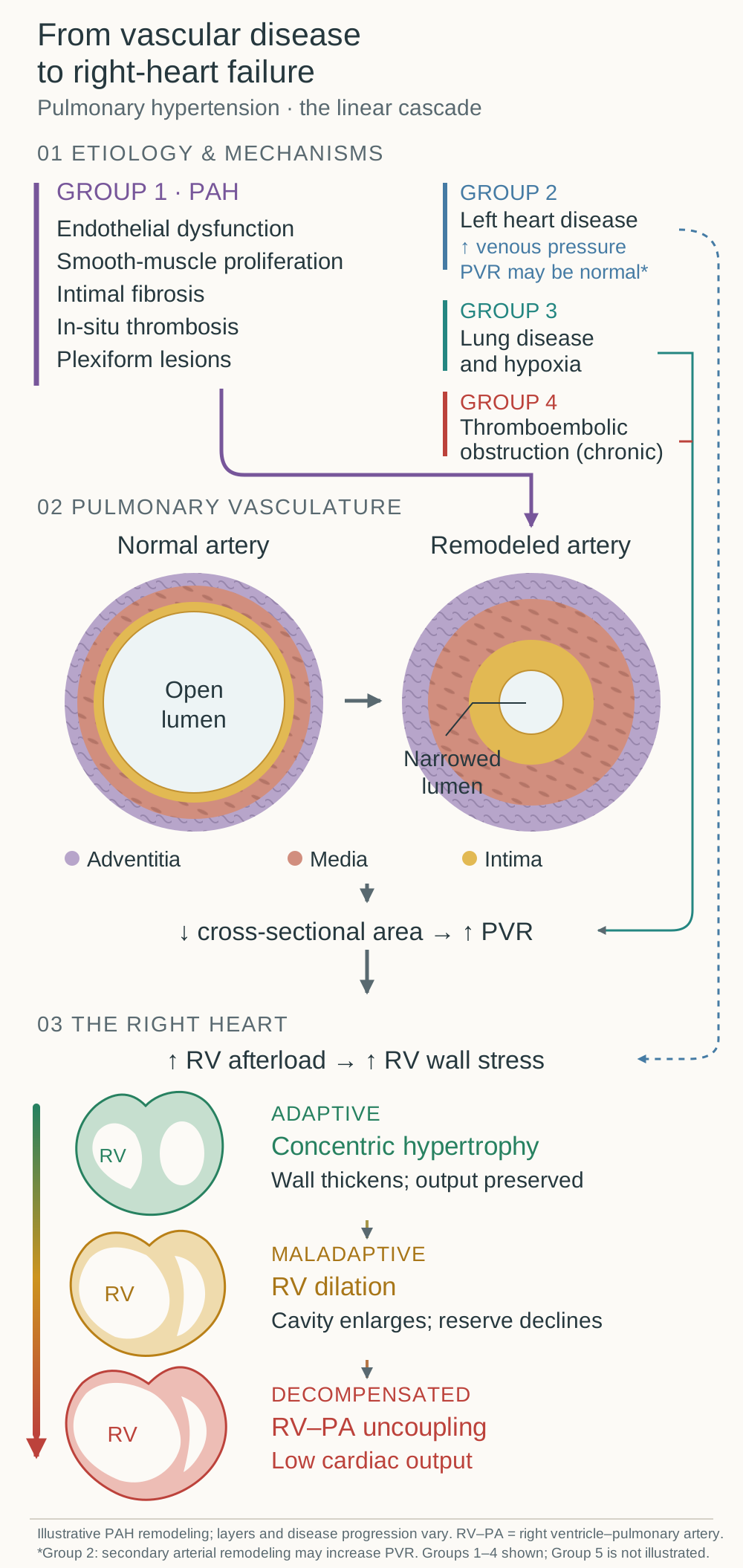
Pulmonary hypertension is not one disease. The World Symposium/WHO classification adopted in the 2022 ESC/ERS guidelines divides it into five groups by mechanism, and the group determines both the hemodynamic profile and whether PAH-specific vasodilator therapy is appropriate — a distinction that is central to anesthetic planning. Strictly, "PAH" refers only to Group 1; Groups 2–5 are other causes of pulmonary hypertension.2,33
| Group | Mechanism | Representative causes |
|---|---|---|
| Group 1 — PAH | Pre-capillary remodeling of the small pulmonary arteries | Idiopathic; heritable (e.g., BMPR2); drug/toxin-induced (anorexigens, methamphetamine, dasatinib); associated with connective tissue disease, HIV, portal hypertension, congenital heart disease, schistosomiasis; includes PVOD/PCH and persistent PH of the newborn.2,33,35 |
| Group 2 — Left heart disease most common cause in the US36 | Post-capillary; passive transmission of elevated left-sided pressures | HFrEF, HFpEF, valvular disease, and other left heart inflow/outflow conditions.2,33,35 |
| Group 3 — Lung disease / hypoxia | Hypoxic pulmonary vasoconstriction and parenchymal remodeling | COPD/emphysema, interstitial and restrictive lung disease, mixed patterns, sleep-disordered breathing, hypoventilation, chronic high-altitude exposure.2,33,35 |
| Group 4 — PA obstruction | Chronic obstruction of the pulmonary arteries | Chronic thromboembolic PH (CTEPH); pulmonary artery sarcoma/tumors, arteritis.2,33,35 |
| Group 5 — Unclear / multifactorial | Mixed or incompletely understood mechanisms | Chronic hemolytic anemia and myeloproliferative disorders, sarcoidosis, metabolic disorders, chronic renal failure, fibrosing mediastinitis, complex congenital heart disease.2,33,35 |
Two points that change management. First, the hemodynamic distinction: pre-capillary PH (Groups 1, 3, and 4, and some of Group 5) carries an elevated PVR with a normal wedge pressure, whereas post-capillary PH (Group 2) carries an elevated wedge pressure.9,33 Second, PAH-specific vasodilator therapy is validated primarily in Group 1, so patients must be correctly grouped before treatment: these drugs can be harmful elsewhere, for example precipitating pulmonary edema in PVOD1 or worsening gas exchange in Groups 2 and 3.33,34
This is in the app, with the calculators and the drug library — free tier, no card. Get it →
Right ventricular physiology: why the RV is the problem
Under normal conditions the pulmonary circulation is a low-resistance, high-compliance system, and the RV free wall is thin (<5 mm) with far less mass than the LV.1 It maintains the same stroke volume as the LV with roughly a quarter of the stroke work, because it is pumping against very little resistance.10
Pulmonary hypertension inverts that arrangement. In response to a pulmonary vascular resistance (PVR) rise of five- to tenfold, the RV hypertrophies, dilates, and undergoes metabolic and fibrotic remodeling.2 Initially this is adaptive: concentric hypertrophy with augmented contractility preserves stroke volume, filling pressures stay near normal, and RV contractility remains matched to afterload — a state termed RV–pulmonary arterial (RV-PA) coupling.1,11 When afterload outstrips the compensatory gain in contractility, the chamber dilates, contractility falls, and the ventricle uncouples from its load. The result is progressive right heart failure, the leading cause of death in advanced disease.2,11,12
The vicious cycle that turns a stable patient into an arrest. A pressure-overloaded RV has a precarious oxygen supply–demand balance. Increased wall stress and hypertrophy raise myocardial oxygen consumption while lengthening the diffusion distance to myocytes. RV coronary perfusion depends on the pressure gradient between the aorta and the RV throughout the cardiac cycle; when systemic pressure falls or RV pressure rises, that gradient narrows and the RV becomes ischemic.1 Ischemia reduces RV output, which lowers LV filling and systemic pressure, which further reduces RV coronary perfusion. Severe RV dilation shifts the interventricular septum leftward, impairing LV filling and compounding the fall in cardiac output. This self-perpetuating spiral — the pulmonary hypertensive crisis — is why maintaining systemic pressure and avoiding acute afterload rises are the two non-negotiable goals of the anesthetic.1,13
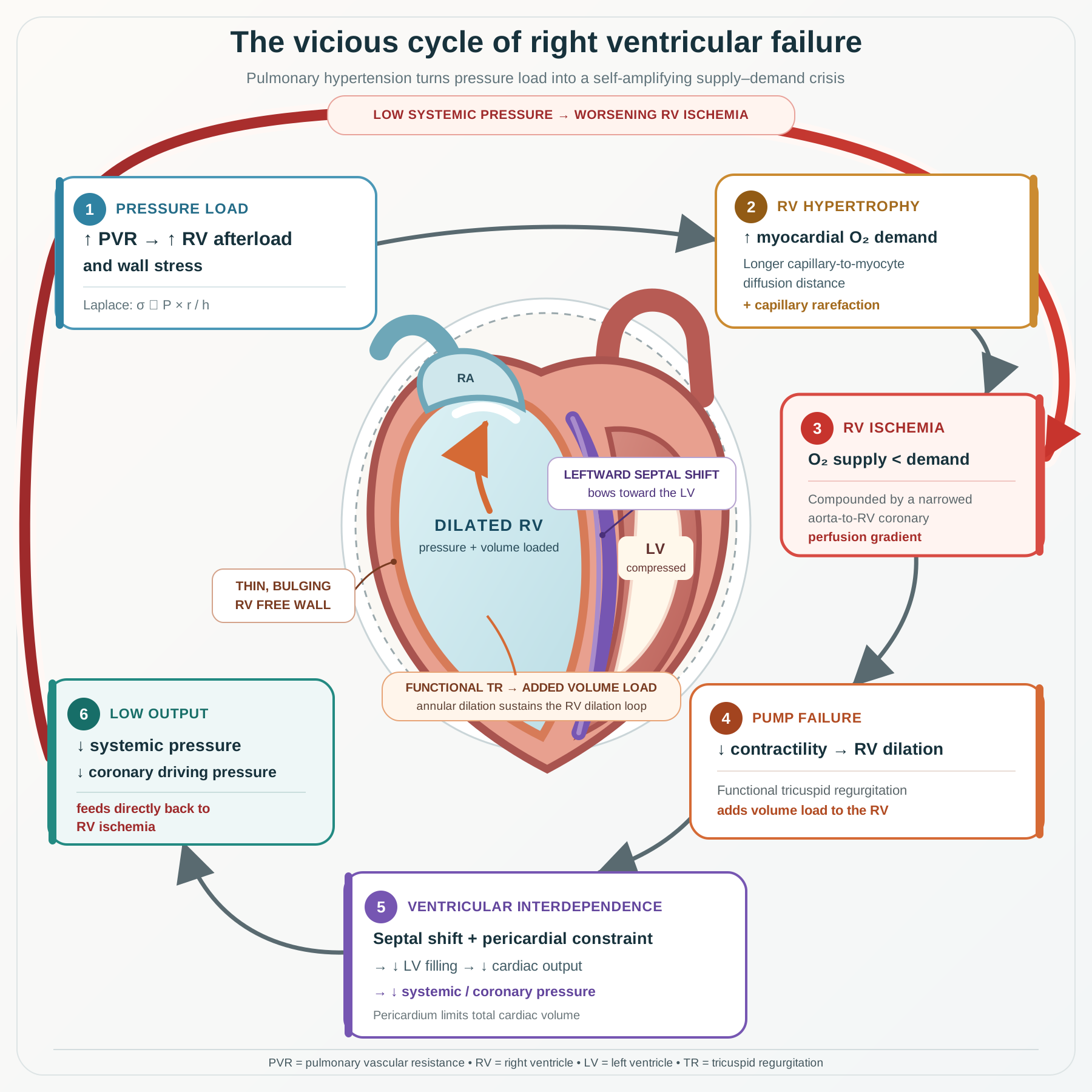
Two practical corollaries follow from this physiology:
- Preload is a narrow window. The hypertrophied RV has a relatively narrow range of optimal preload. Hypovolemia drops RV perfusion and cardiac output; hypervolemia overdistends the RV and raises wall tension. Volume overload tends to be poorly tolerated.1
- Systemic pressure is coronary protection. Maintaining a mean arterial pressure >60 mm Hg is a central goal specifically to preserve RV coronary perfusion and prevent RV ischemia.1,33
What raises pulmonary vascular resistance
Every anesthetic decision in these patients is filtered through one question: will this raise RV afterload? The American Heart Association scientific statement on pulmonary hypertension in noncardiac surgery lists the modifiable intraoperative drivers explicitly — avoid or mitigate hypoxia, hypercarbia, acidosis, hypothermia, and pain, all of which acutely increase PVR.1
| Driver | Mechanism / evidence | Perioperative countermeasure |
|---|---|---|
| Hypoxia | Hypoxic pulmonary vasoconstriction; a potent and rapid PVR stimulus.1,14 | Titrate FiO₂ to SpO₂ >92%;1 hyperoxia itself lowers PVR.15 |
| Hypercarbia / acidosis | Respiratory acid-base status is an independent determinant of adult PVR; PVR rises as PaCO₂ climbs from 30 to 50 mm Hg both before and after bypass, and falls with alkalosis.16,17 | Ventilate to PaCO₂ 30–35 mm Hg and pH >7.4;1 consider sodium bicarbonate to raise pH independent of CO₂.17 |
| Hypothermia | Recognized PVR-raising trigger1 and a contributor to pulmonary hypertensive crisis.13 | Active warming; maintain normothermia. |
| Pain / noxious stimulus | Sympathetic surge raises PVR;1 airway suctioning and light anesthesia are classic triggers of crisis.6,13 | Adequate depth and analgesia before stimulation; blunt laryngoscopy and suctioning. |
| High airway pressure / PEEP / lung volume | PVR is lowest at functional residual capacity and has a U-shaped relationship with lung volume — rising at low volumes (extra-alveolar vessel collapse) and high volumes (alveolar capillary compression).1 | A lung-protective strategy (modest tidal volumes, moderate PEEP) that avoids both atelectasis and hyperinflation, since PVR is lowest at FRC; avoid inadvertent high PEEP on bag-mask.1 |
| Cardiopulmonary bypass | CPB raises PVR via pulmonary endothelial dysfunction and an imbalance favoring vasoconstrictors (endothelin-1) over vasodilators (nitric oxide).6,39,40 | Anticipate at separation; have inhaled vasodilator ready (see below). |
| Alpha-agonists (e.g., phenylephrine) | Cause unopposed pulmonary vasoconstriction and raise pulmonary artery pressure; the FDA label warns phenylephrine can increase pulmonary arterial pressure.8,18,19 | Prefer norepinephrine or vasopressin for coronary-perfusion support.8 |
Nitrous oxide in pulmonary hypertension
Nitrous oxide is the classic "is it safe?" question in this population, and the honest answer is that the adult evidence is old, small, and points toward a real increase in PVR that scales with baseline resistance — so most anesthesia providers avoid it when PVR is already elevated or the RV is compromised.
The evidence, in order
1975 — with high-dose morphine. In 12 patients undergoing coronary surgery who had received morphine, 50% nitrous oxide significantly increased pulmonary vascular resistance and mean pulmonary artery pressure and depressed LV performance, before and after bypass.20
1980 — in established pulmonary hypertension. In 11 patients with pulmonary hypertension before mitral valve replacement, 50% nitrous oxide raised PVR from 159 to 213 dyn·s·cm⁻⁵. The authors judged the increase too small to mandate avoidance in most patients.3
1982 — the magnitude depends on baseline tone. In patients with markedly elevated PVR from mitral stenosis, nitrous oxide caused a large PVR rise (357 to 530 dyn·s·cm⁻⁵ under fentanyl), not attenuated by halothane. The conclusion: preexisting PVR matters more than the background anesthetic, and nitrous oxide should be used with caution when PVR is elevated, particularly with RV dysfunction or right coronary disease.4
1988 — mechanism. In dogs, the pulmonary vascular effect of nitrous oxide depended on preexisting pulmonary vascular tone and was modulated by cyclooxygenase products, supporting the clinical observation that the response scales with baseline tone.21
1990 — a reassuring adult study. In 10 patients with pulmonary hypertension from mitral valvular disease under high-dose fentanyl, 70% nitrous oxide did not exacerbate pulmonary hypertension or ventricular dysfunction.22
1986 — infants differ. In infants with normal and elevated PVR after congenital heart repair, 50% nitrous oxide produced mild systemic depression but did not raise pulmonary artery pressure or PVR, unlike the adult experience.5
The practical position. The signal across adult studies is a tone-dependent rise in PVR that is largest in patients with high baseline PVR — marked in the mitral stenosis group (357 to 530 dyn·s·cm⁻⁵) — and the authors urged caution when PVR is elevated, particularly with RV dysfunction, although that subgroup was not directly studied.3,4 Nitrous oxide is not absolutely contraindicated, and at least one adult study found no harm,22 but where PVR is elevated or the RV is failing the conservative and common choice is to avoid it, favor a high-FiO₂ oxygen–air technique, and reserve any decision to use it for patients with mild, well-compensated disease.
Separation from cardiopulmonary bypass
Weaning from bypass is where a compensated patient decompensates. Bypass itself elevates PVR through endothelial dysfunction and a shift toward vasoconstrictors,6 the RV has just been arrested and reperfused, and every classic PVR trigger — hypothermia, acidosis, atelectasis, hypoxia — is in play at once. Approach separation as a deliberate, staged optimization rather than a single event.
Optimize the pulmonary bed before separating
- Ventilation and gas exchange. Re-expand the lungs, treat atelectasis, and target a low-normal PaCO₂ with a high-normal PaO₂ — both promote pulmonary vasodilation and lower PVR.23 Hyperventilation lowers pulmonary artery pressure through respiratory alkalosis rather than a mechanical effect,24 and hyperoxia and alkalosis lower PVR through mechanisms partly independent of endogenous nitric oxide.15
- Acid-base. Correct metabolic acidosis; raising arterial pH lowers PVR and raises cardiac index even at a fixed PaCO₂.17
- Rhythm and preload. Establish sinus rhythm and AV synchrony, and optimize (do not overfill) RV preload before coming off.1
- Start the inhaled pulmonary vasodilator early. Inhaled nitric oxide or inhaled epoprostenol is typically initiated in the operating room to lower RV afterload without systemic hypotension, and continued into the ICU.7,9
Anticipate protamine
Protamine is a discrete, predictable danger in these patients. Protamine can trigger acute pulmonary vasoconstriction, pulmonary hypertension, and right ventricular failure — and acute RV failure and pulmonary hypertension often precede catastrophic protamine reactions.25 The reaction is nitric oxide/cGMP-dependent and endothelium-mediated, driven by thromboxane A₂ and serotonin release.26
Give protamine slowly, warn the team, and watch the pulmonary artery pressure and RV. For high-risk patients who develop pulmonary hypertension and circulatory collapse shortly after protamine, the STS/SCA/AmSECT guideline states that stopping protamine and reinstituting bypass with adequate anticoagulation may be lifesaving; methylene blue has been used for refractory protamine reactions by inhibiting cGMP-mediated vasodilation, but high-level evidence is lacking and it should be used cautiously here because it can itself raise PVR and worsen RV function.25,26,29
If the RV fails to separate
Reject the initial separation, return to partial bypass support, and cycle back through the optimization list — ventilation, acid-base, rhythm, preload, inhaled vasodilator, and inotropic support — before attempting again. Escalating options include a temporary mechanical support strategy or extracorporeal membrane oxygenation; note that an isolated temporary RV assist device should be avoided in severe pulmonary arterial hypertension because of the risk of pulmonary hemorrhage.27,38
Inotrope and vasopressor choice
There are no head-to-head trials of inotropes and vasopressors in pulmonary hypertension; recommendations are based on expert opinion and clinical experience.8 The goal is a rational combination: an inodilator to improve RV contractility and lower PVR, a coronary-sparing vasopressor to protect RV perfusion pressure, and an inhaled pulmonary vasodilator to unload the RV without systemic hypotension.
Inodilators (RV contractility + afterload reduction)
- Milrinone — a phosphodiesterase-3 inhibitor: bolus 25–50 µg/kg over 15 minutes, infusion 0.25–0.75 µg·kg⁻¹·min⁻¹. Improves RV contractility and lowers PVR, but systemic vasodilation can cause hypotension; avoid bolusing in the hypovolemic or hypotensive patient.8
- Dobutamine — 2.5–10 µg·kg⁻¹·min⁻¹.8 Increases cardiac output and stroke volume and, at low dose (2–5 µg·kg⁻¹·min⁻¹), lowers PVR; higher doses raise myocardial oxygen consumption and provoke tachycardia.28,37
Both inodilators can cause severe systemic hypotension that requires adding a vasopressor such as norepinephrine, and both can also induce arrhythmias.8
Vasopressors (defend coronary perfusion pressure)
- Norepinephrine and vasopressin are generally preferred over phenylephrine; animal data suggest that vasopressin has minimal effects on PVR compared with other vasopressors.8
- Vasopressin has a ceiling. Doses above ~0.08–0.1 U/min should be avoided because of coronary vasoconstriction that can induce RV ischemia.8
- Low-dose epinephrine can be added for combined inotropic and pressor support with relatively little effect on PVR.29
Avoid phenylephrine. Pure alpha-agonism causes unopposed pulmonary vasoconstriction, raises PVR, and provokes reflex bradycardia.8 In patients with pulmonary hypertension, phenylephrine titrated to raise aortic pressure by 25% significantly raised mean PA pressure (58→67 mm Hg) and RV end-diastolic pressure (10→16 mm Hg), with a small nonsignificant fall in cardiac output (3.26→3.09 L/min) — it failed to improve RV function despite improving coronary driving pressure.19 The FDA label independently warns that phenylephrine can increase pulmonary arterial pressure and exacerbate heart failure.18 Dopamine (arrhythmia, variable PVR effect) and angiotensin II (raises both PVR and SVR) are likewise poor choices for the failing RV.29
Inhaled pulmonary vasodilators (selective afterload reduction)
These lower PVR selectively, without the systemic hypotension of intravenous vasodilators, and their short half-lives suit a rapidly changing intraoperative picture.1,7,9
- Inhaled nitric oxide — dosed in the operating room (20 ppm in the INSPIRE-FLO trial); half-life measured in seconds.7,9
- Inhaled epoprostenol — 50 ng·kg⁻¹·min⁻¹ in the INSPIRE-FLO trial; a cost-saving alternative to nitric oxide.7
Efficacy is comparable between the two. A meta-analysis of postoperative pulmonary hypertension found no difference between inhaled nitric oxide and inhaled prostacyclins in mean PA pressure or PVR,30 and a randomized equivalence trial (INSPIRE-FLO) in heart transplant or LVAD recipients found equivalent rates of right ventricular failure with inhaled epoprostenol versus nitric oxide (25.0% vs 22.5%; risk difference 2.5 percentage points, 90% CI −6.6 to 11.2).7 The 2024 AHA/ACC perioperative guideline states that for precapillary pulmonary hypertension undergoing elevated-risk surgery, short-acting inhaled pulmonary vasodilators may be reasonable to reduce RV afterload and prevent acute decompensated right heart failure.9 Vasoreactivity matters: these agents may not help a known nonresponder.31
Continue the patient's chronic PH therapy. Patients on stable targeted therapy (nitric oxide-pathway agents, endothelin receptor antagonists, prostacyclin-pathway agonists) should continue it through surgery.9,32 Interruption of prostanoids in particular can precipitate a rebound pulmonary hypertensive crisis; oral agents can be taken the morning of surgery even when NPO, and oral prostanoids may need to be transitioned temporarily to inhaled or parenteral therapy perioperatively.32 In advanced RV failure, dobutamine and milrinone are the most frequently used inotropes, systemic pressure >60 mm Hg is a key target, and combination prostacyclin therapy should be considered in low-output patients.33
A practical intraoperative checklist
| Item | Why |
|---|---|
| MAP kept >60 mm Hg from induction onward | Preserves RV coronary perfusion and prevents the ischemic spiral1,33 |
| PaCO₂ 30–35 mm Hg, pH >7.4, SpO₂ >92% | Hypercarbia, acidosis, and hypoxia each acutely raise PVR1,16,17 |
| Lung-protective ventilation (modest tidal volumes, moderate PEEP), avoiding atelectasis and hyperinflation | PVR is lowest at FRC and U-shaped with lung volume1 |
| Normothermia maintained; airway stimulation blunted | Hypothermia and noxious stimuli raise PVR1,13 |
| Nitrous oxide avoided when PVR high or RV compromised | Adult data show tone-dependent PVR rise3,4 |
| Chronic PH-targeted therapy continued through surgery | Prostanoid interruption risks rebound crisis9,32 |
| Norepinephrine/vasopressin chosen over phenylephrine | Phenylephrine raises PVR and worsens RV function8,19 |
| Inhaled NO or epoprostenol available and ready | Selective afterload reduction without systemic hypotension7,9 |
| Inodilator (milrinone/dobutamine) + vasopressor paired | Supports contractility while defending coronary perfusion8 |
| Protamine given slowly with team warned | Can trigger acute pulmonary vasoconstriction and RV failure25,26 |
| Postoperative ICU disposition planned in advance | Severe PH warrants invasive monitoring and critical care9 |
Frequently asked questions
Is nitrous oxide safe in pulmonary hypertension?
It is best avoided when pulmonary vascular resistance is already elevated or the right ventricle is compromised. Adult studies show nitrous oxide produces a tone-dependent increase in PVR that is largest in patients with high baseline resistance.3,4 One adult study under high-dose fentanyl found no worsening,22 and infants do not show the same PVR rise,5 but the conservative and common choice in significant adult disease is to avoid it.
What raises pulmonary vascular resistance in the operating room?
Hypoxia, hypercarbia, acidosis, hypothermia, and pain are the classic modifiable triggers.1 Add high airway pressures and inappropriate lung volumes (PVR is lowest at functional residual capacity),1 cardiopulmonary bypass,6 protamine,25 and alpha-agonists such as phenylephrine.8
Why avoid phenylephrine in pulmonary hypertension?
Because pure alpha-agonism causes unopposed pulmonary vasoconstriction, raising PVR and RV afterload with reflex bradycardia.8 In patients with pulmonary hypertension, phenylephrine raised mean PA and RV end-diastolic pressures and did not improve cardiac output, with a small nonsignificant fall, despite increasing coronary driving pressure.19 Norepinephrine and vasopressin are preferred to defend coronary perfusion pressure.8
How do you get a failing right ventricle off bypass?
Stage it: re-expand the lungs, target low-normal PaCO₂ and high-normal PaO₂, correct acidosis, establish sinus rhythm, optimize (do not overfill) preload, and start an inhaled pulmonary vasodilator plus an inodilator with a vasopressor before separating.1,17,23 If the RV fails, return to partial support and cycle through the list again; give protamine slowly and be prepared for a pulmonary vasoconstrictive reaction.25
Which inotrope is best for right ventricular failure in pulmonary hypertension?
An inodilator — milrinone or dobutamine — improves RV contractility and lowers PVR,8 and is the most frequently used class.33 Because both cause systemic vasodilation, pair them with norepinephrine or vasopressin to maintain a mean arterial pressure >60 mm Hg and protect RV coronary perfusion, and add an inhaled pulmonary vasodilator to unload the RV.8,9,33
Can protamine cause right ventricular failure?
Yes. Protamine can trigger acute pulmonary vasoconstriction, pulmonary hypertension, and RV failure through a nitric oxide/cGMP-dependent, endothelium-mediated mechanism involving thromboxane A₂ and serotonin.26 Give it slowly; for pulmonary hypertension and circulatory collapse after protamine, stopping the drug and reinstituting bypass with anticoagulation may be lifesaving.25
References
- Rajagopal S, Ruetzler K, Ghadimi K, et al. Evaluation and Management of Pulmonary Hypertension in Noncardiac Surgery: A Scientific Statement From the American Heart Association. Circulation. 2023;147(17):1317–1343. doi:10.1161/CIR.0000000000001136. PMID 36924225.
- Hassoun PM. Pulmonary Arterial Hypertension. N Engl J Med. 2021;385(25):2361–2376. doi:10.1056/NEJMra2000348. PMID 34910865.
- Hilgenberg JC, McCammon RL, Stoelting RK. Pulmonary and systemic vascular responses to nitrous oxide in patients with mitral stenosis and pulmonary hypertension. Anesth Analg. 1980;59(5):323–326. doi:10.1213/00000539-198005000-00002. PMID 7189378.
- Schulte-Sasse U, Hess W, Tarnow J. Pulmonary vascular responses to nitrous oxide in patients with normal and high pulmonary vascular resistance. Anesthesiology. 1982;57(1):9–13. doi:10.1097/00000542-198207000-00003. PMID 7091732.
- Hickey PR, Hansen DD, Strafford M, et al. Pulmonary and systemic hemodynamic effects of nitrous oxide in infants with normal and elevated pulmonary vascular resistance. Anesthesiology. 1986;65(4):374–378. doi:10.1097/00000542-198610000-00005. PMID 3767034.
- Cooper DS, Hill KD, Krishnamurthy G, et al. Acute Cardiac Care for Neonatal Heart Disease. Pediatrics. American Academy of Pediatrics; 2022. doi:10.1542/peds.2022-056415J. PMID 36317971.
- Ghadimi K, Cappiello JL, Wright MC, et al. Inhaled Epoprostenol Compared With Nitric Oxide for Right Ventricular Support After Major Cardiac Surgery. Circulation. 2023;148(17):1316–1329. doi:10.1161/CIRCULATIONAHA.122.062464. PMID 37401479.
- Rajagopal S, Ruetzler K, Ghadimi K, et al. Vasopressors and Inotropes. In: Evaluation and Management of Pulmonary Hypertension in Noncardiac Surgery: A Scientific Statement From the American Heart Association. Circulation. 2023;147(17):1317–1343. doi:10.1161/CIR.0000000000001136. PMID 36924225.
- Thompson A, Fleischmann KE, Smilowitz NR, et al. 2024 AHA/ACC/ACS/ASNC/HRS/SCA/SCCT/SCMR/SVM Guideline for Perioperative Cardiovascular Management for Noncardiac Surgery. Circulation. 2024. doi:10.1161/CIR.0000000000001285. PMID 39316661.
- Mukherjee M, Rudski LG, Addetia K, et al. Guidelines for the Echocardiographic Assessment of the Right Heart in Adults and Special Considerations in Pulmonary Hypertension: Recommendations From the American Society of Echocardiography. J Am Soc Echocardiogr. 2025. doi:10.1016/j.echo.2025.01.006. PMID 40044341.
- Vonk-Noordegraaf A, Haddad F, Chin KM, et al. Right heart adaptation to pulmonary arterial hypertension: physiology and pathobiology. J Am Coll Cardiol. 2013;62(25 Suppl):D22–D33. doi:10.1016/j.jacc.2013.10.027. PMID 24355638.
- Pullamsetti SS, Vanderpool RR, de Man F, et al. Advanced Molecular, Metabolic, and Imaging Approaches to Characterizing Right Ventricular Failure: A Scientific Statement From the American Heart Association. Circulation. 2026. doi:10.1161/CIR.0000000000001422. PMID 41924886.
- Latham GJ, Yung D. Current understanding and perioperative management of pediatric pulmonary hypertension. Paediatr Anaesth. 2019;29(5):441–456. doi:10.1111/pan.13542. PMID 30414333.
- Loeppky JA, Scotto P, Riedel CE, Roach RC, Chick TW. Effects of acid-base status on acute hypoxic pulmonary vasoconstriction and gas exchange. J Appl Physiol. 1992;72(5):1787–1797. doi:10.1152/jappl.1992.72.5.1787. PMID 1601787.
- Fineman JR, Wong J, Soifer SJ. Hyperoxia and alkalosis produce pulmonary vasodilation independent of endothelium-derived nitric oxide in newborn lambs. Pediatr Res. 1993;33(4 Pt 1):341–346. doi:10.1203/00006450-199304000-00007. PMID 8479813.
- Fullerton DA, Kirson LE, St Cyr JA, Albert JD, Whitman GJ. The influence of respiratory acid-base status on adult pulmonary vascular resistance before and after cardiopulmonary bypass. Chest. 1993;103(4):1091–1095. doi:10.1378/chest.103.4.1091. PMID 8131445.
- Chang AC, Zucker HA, Hickey PR, Wessel DL. Pulmonary vascular resistance in infants after cardiac surgery: role of carbon dioxide and hydrogen ion. Crit Care Med. 1995;23(3):568–574. doi:10.1097/00003246-199503000-00024. PMID 7874911.
- Phenylephrine Hydrochloride Injection (Biorphen). US Food and Drug Administration prescribing information, DailyMed setid 2f715e4e-b269-b935-d2c9-003cb29770be. Warnings and Precautions: Exacerbation of Angina, Heart Failure, or Pulmonary Arterial Hypertension. dailymed.nlm.nih.gov/dailymed/drugInfo.cfm?setid=2f715e4e-b269-b935-d2c9-003cb29770be.
- Rich S, Gubin S, Hart K. The effects of phenylephrine on right ventricular performance in patients with pulmonary hypertension. Chest. 1990;98(5):1102–1106. doi:10.1378/chest.98.5.1102. PMID 2225953.
- Lappas DG, Buckley MJ, Laver MB, Daggett WM, Lowenstein E. Left ventricular performance and pulmonary circulation following addition of nitrous oxide to morphine during coronary-artery surgery. Anesthesiology. 1975;43(1):61–69. doi:10.1097/00000542-197507000-00011. PMID 1147309.
- Lejeune P, Deloof T, Leeman M, Mélot C, Naeije R. Multipoint pulmonary vascular pressure/flow relationships in hypoxic and in normoxic dogs: effects of nitrous oxide with and without cyclooxygenase inhibition. Anesthesiology. 1988;68(1):92–99. doi:10.1097/00000542-198801000-00015. PMID 3122602.
- Konstadt SN, Reich DL, Thys DM. Nitrous oxide does not exacerbate pulmonary hypertension or ventricular dysfunction in patients with mitral valvular disease. Can J Anaesth. 1990;37(6):613–617. doi:10.1007/BF03006477. PMID 2208532.
- Meuwese CL, Brodie D, Donker DW. The ABCDE approach to difficult weaning from venoarterial extracorporeal membrane oxygenation. Crit Care. 2022;26(1):216. doi:10.1186/s13054-022-04089-8. PMID 35841052.
- Morin FC. Hyperventilation, alkalosis, prostaglandins, and pulmonary circulation of the newborn. J Appl Physiol. 1986;61(6):2088–2094. doi:10.1152/jappl.1986.61.6.2088. PMID 3100494.
- Shore-Lesserson L, Baker RA, Ferraris VA, et al. STS/SCA/AmSECT Clinical Practice Guidelines: Anticoagulation During Cardiopulmonary Bypass. J Extra Corpor Technol. 2018;50(1):5–18. Also published in Ann Thorac Surg. 2018;105(2):650–662. doi:10.1051/ject/201850005. PMID 29559750. PMC5850589.
- Danek BA, Kearney KE, Chung CJ, et al. The contemporary role of protamine in the cardiac catheterization laboratory. Catheter Cardiovasc Interv. 2023;102(1):111–120. doi:10.1002/ccd.30679. PMID 37172213.
- Houston BA, Brittain EL, Tedford RJ. Right Ventricular Failure. N Engl J Med. 2023;388(12):1111–1125. doi:10.1056/NEJMra2207410. PMID 36947468.
- Das P, Thandavarayan RA, Watanabe K, Velayutham R, Arumugam S. Right ventricular failure: a comorbidity or a clinical emergency? Heart Fail Rev. 2022;27(5):1779–1793. doi:10.1007/s10741-021-10192-9. PMID 34826024.
- Dodi AE, Jacobs M. Acute right ventricular failure in the medical ICU. Lung. 2025;203(1):107. doi:10.1007/s00408-025-00862-y. PMID 41359196.
- Chen SH, Chen LK, Teng TH, Chou WH. Comparison of inhaled nitric oxide with aerosolized prostacyclin or analogues for the postoperative management of pulmonary hypertension: a systematic review and meta-analysis. Ann Med. 2020;52(3-4):120–130. doi:10.1080/07853890.2020.1746826. PMID 32204626.
- Thompson A, Fleischmann KE, Smilowitz NR, et al. Pulmonary Hypertension (Section 6.3.2). In: 2024 AHA/ACC Guideline for Perioperative Cardiovascular Management for Noncardiac Surgery. Circulation. 2024. doi:10.1161/CIR.0000000000001285. PMID 39316661.
- Rajagopal S, Ruetzler K, Ghadimi K, et al. Optimizing Patients With PH for Surgery. In: Evaluation and Management of Pulmonary Hypertension in Noncardiac Surgery. Circulation. 2023;147(17):1317–1343. doi:10.1161/CIR.0000000000001136. PMID 36924225.
- Humbert M, Kovacs G, Hoeper MM, et al. 2022 ESC/ERS Guidelines for the diagnosis and treatment of pulmonary hypertension. Eur Heart J. 2022;43(38):3618–3731. doi:10.1093/eurheartj/ehac237. PMID 36017548. Published simultaneously in Eur Respir J. 2023;61(1):2200879. doi:10.1183/13993003.00879-2022. PMID 36028254.
- Ruopp NF, Cockrill BA. Diagnosis and Treatment of Pulmonary Arterial Hypertension: A Review. JAMA. 2022;327(14):1379–1391. doi:10.1001/jama.2022.4402. PMID 35412560.
- Sirajuddin A, Mirmomen SM, Henry TS, et al; Expert Panel on Thoracic Imaging. ACR Appropriateness Criteria® Suspected Pulmonary Hypertension: 2022 Update. J Am Coll Radiol. 2022;19(11S):S502–S512. doi:10.1016/j.jacr.2022.09.018. PMID 36436973.
- Walter K. Pulmonary Hypertension. JAMA. 2021;326(11):1116. doi:10.1001/jama.2021.11054. PMID 34546299.
- Lahm T, McCaslin CA, Wozniak TC, et al. Medical and surgical treatment of acute right ventricular failure. J Am Coll Cardiol. 2010;56(18):1435–1446. doi:10.1016/j.jacc.2010.05.046. PMID 20951319.
- Konstam MA, Kiernan MS, Bernstein D, et al. Evaluation and Management of Right-Sided Heart Failure: A Scientific Statement From the American Heart Association. Circulation. 2018;137(20):e578–e622. doi:10.1161/CIR.0000000000000560. PMID 29650544.
- Rezoagli E, Ichinose F, Strelow S, et al. Pulmonary and Systemic Vascular Resistances After Cardiopulmonary Bypass: Role of Hemolysis. J Cardiothorac Vasc Anesth. 2017;31(2):505–515. doi:10.1053/j.jvca.2016.06.009. PMID 27590461.
- Morita K, Ihnken K, Buckberg GD, Sherman MP, Ignarro LJ. Pulmonary vasoconstriction due to impaired nitric oxide production after cardiopulmonary bypass. Ann Thorac Surg. 1996;61(6):1775–1780. (Piglet study.) doi:10.1016/0003-4975(96)00146-4. PMID 8651783.
Disclaimer. This page is an educational reference for licensed clinicians. It is not medical advice, does not establish a clinician–patient relationship, and does not substitute for individualized assessment. Anesthetic management must be tailored to the specific patient, pulmonary hypertension group and severity, procedure, and institutional resources. The perioperative evidence base in pulmonary hypertension consists largely of small studies, physiologic data, and expert consensus; verify all drug doses against current package inserts and institutional protocol.
This page was written and cited by the CRNA who builds Helix Anesthesia, a point-of-care reference built for the operating room — surgical cases, drug dosing, regional blocks with labeled ultrasound anatomy, and crisis checklists, all cited and available offline.
The guidance above is cited to the primary literature listed rather than to the app’s own case text. The sourcing standard is the same either way, and it is documented at how we source clinical content.
Built for the anesthesia machine, not the desk. It opens in one tap, works with no signal in an OR that has none, and shows the citation on screen beside the number rather than making you go and find it.
Free tier, no card: every calculator, every crisis checklist, the full drug library and glossary, three complete regional blocks, five complete surgical cases, and 15 AI questions a month.
Get Helix Anesthesia How we source itSign up for our newsletter and special offers. New answer pages, improvements to the ones already here, and the occasional offer. Nothing else, and not often.
Hemodynamics
- Spinal anesthesia in the elderly — start here
- Ondansetron and spinal hypotension
- Vasopressor equivalents
- CABG anesthesia
- Surgery timing after a stent
- Etomidate and long-term outcomes
- Intraoperative hypotension
← Clinical references for anesthesia providers — the full index for clinicians. · ← What to tell your anesthesia provider before surgery — the plain-language index of these guides. · How we source clinical content · All clinical answers