
Does one dose of etomidate have long-term consequences?
A single induction dose was associated with 2.5 times the odds of 30-day death in ASA physical status III and IV patients. Thirteen years and several randomized trials later, that finding has not reproduced.
Every clinical claim on this page is cited to its source below. How we source clinical content.
The short answer
Probably not. A 2013 retrospective study found 2.5 times the odds of 30-day death after a single induction dose in ASA III and IV patients, and no randomized trial since has reproduced it, including one that infused etomidate for four hours. The signal that does replicate is pneumonia, not death.
The question is a fair one, and it comes up every time someone reaches for etomidate on a patient who is too fragile for propofol. One dose, gone from the plasma in minutes — can it plausibly still be killing people four weeks later? The retrospective literature says maybe. The randomized literature says no. Understanding why they disagree is more useful than either answer alone.
Key takeaways
- The alarming finding is real, and it is retrospective. In 2,144 propensity-matched patients of American Society of Anesthesiologists (ASA) physical status III and IV, etomidate induction carried 2.5 times the odds of 30-day death compared with propofol (98% confidence interval 1.9–3.4).
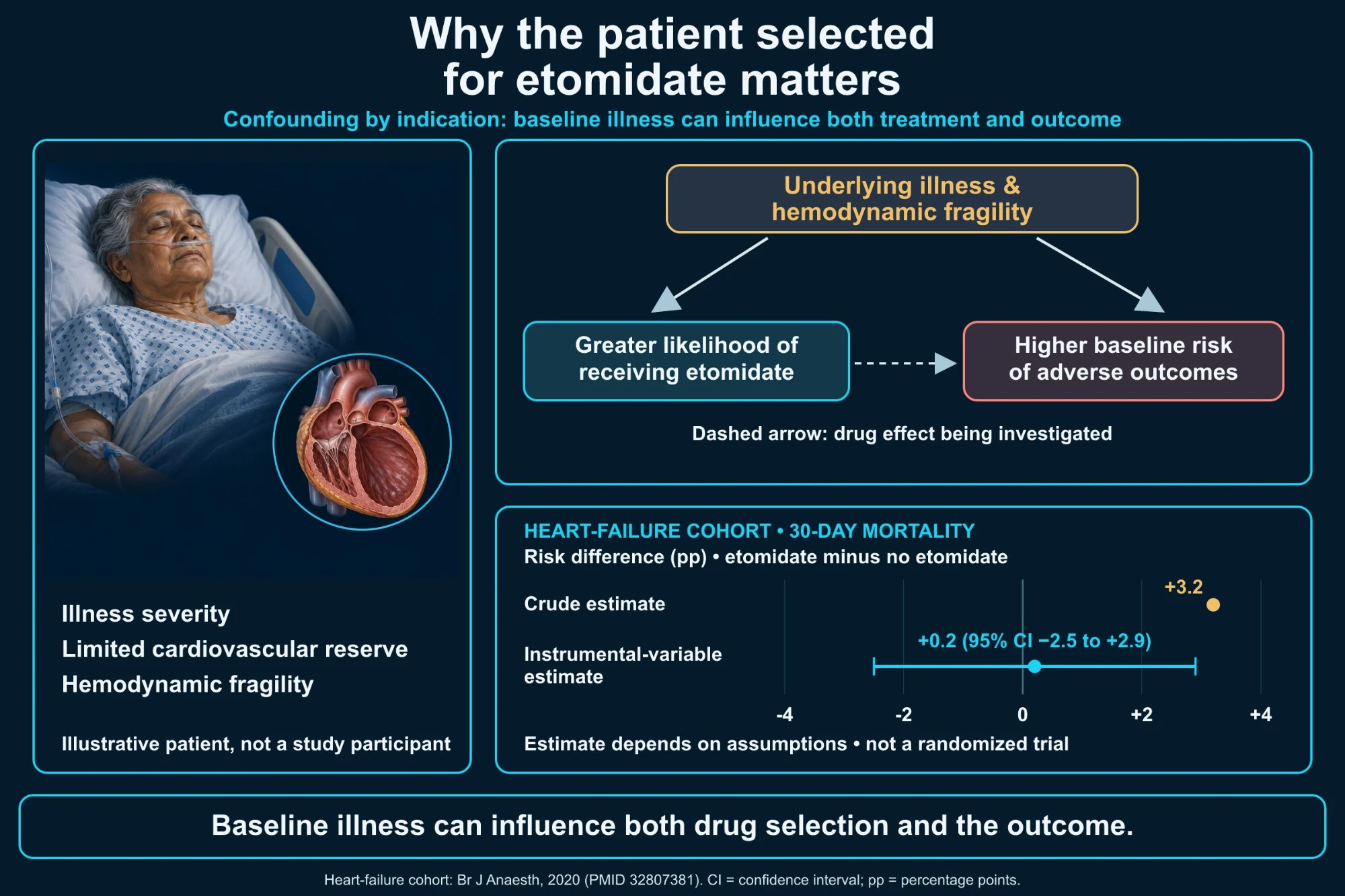
- The most likely explanation is confounding by indication. Etomidate gets picked for the patient you are already worried about, and no propensity score fully captures that worry.
- An instrumental-variable study designed to defeat that confounding found nothing. A crude 3.2% difference in 30-day mortality collapsed to 0.2% (95% confidence interval −2.5 to 2.9).
- Randomized surgical data are reassuring. In 1,917 patients aged 65–80 having abdominal surgery, etomidate infused for up to four hours was noninferior to propofol for major complications, with no mortality difference at 6 or 12 months.
- Randomized critical care data are reassuring too. A 2,365-patient randomized trial found 28-day mortality of 29.1% with etomidate versus 28.1% with ketamine — and less cardiovascular collapse with etomidate.
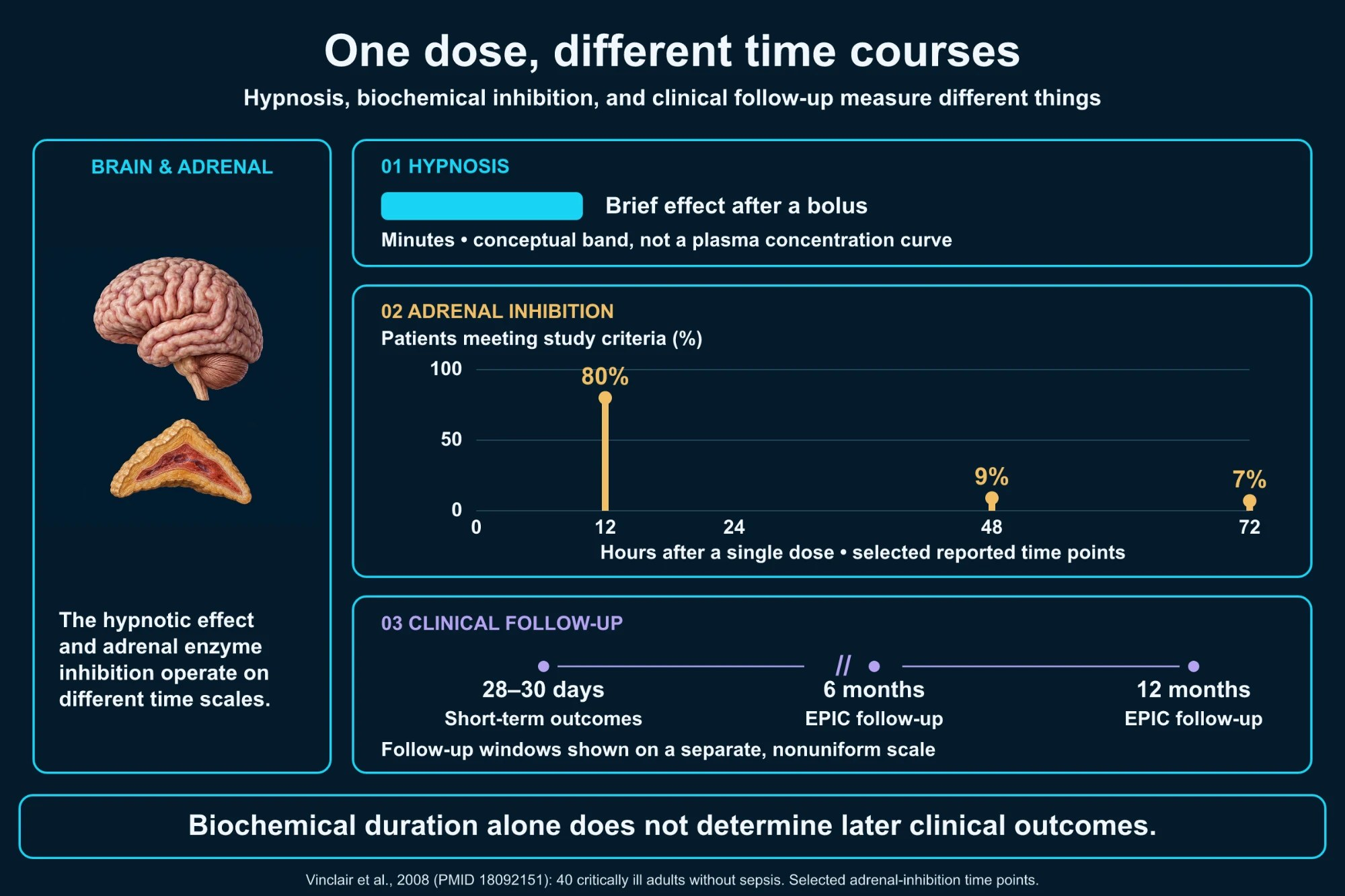
- Adrenal suppression is real but short. 80% of critically ill patients meet criteria at 12 hours; 9% at 48 hours; 7% at 72 hours.
- Giving steroids afterward does not fix anything that has been measured.
- The signal that has replicated is pneumonia, not death — including in the randomized trial.
The study everyone is quoting
Komatsu and colleagues at the Cleveland Clinic reviewed 31,148 ASA physical status III and IV patients having noncardiac surgery. Anesthesia was induced with etomidate and maintained with a volatile agent in 2,616 of them; 28,532 were induced with propofol and maintained with a volatile. They propensity matched 2,144 etomidate patients to 5,233 propofol patients on 17 patient and procedural characteristics.1
How to read the numbers in these tables. An odds ratio (OR) compares the odds of an event between two groups: 1.0 is no difference, above 1.0 means more common with etomidate, below 1.0 means less common. A risk ratio (RR) does the same thing with risks rather than odds. A risk difference (RD) is plain subtraction — 9.3% minus 8.7% is an RD of 0.6 percentage points. A hazard ratio (HR) compares the rate at which something happens over time, and you have to check what the event is: in the table below the event is discharge, so an HR under 1.0 means slower discharge, meaning a longer stay. The confidence interval (CI) is the range of values compatible with the data; if it crosses 1.0 for a ratio, or 0 for a difference, the result is compatible with no effect at all. Number needed to harm (NNH) is how many patients you would have to treat to cause one extra bad outcome.
None of these tell you how common the event was. An OR of 2.5 sitting on a 2.5% baseline is a rise to roughly 6.5% — four percentage points, not a doubling of a large number.
| Outcome | Etomidate vs propofol |
|---|---|
| 30-day mortality | OR 2.5 (98% CI 1.9–3.4) — reported elsewhere as 6.5% vs 2.5%2 |
| Cardiovascular morbidity | OR 1.5 (98% CI 1.2–2.0) |
| Length of hospital stay | HR 0.82 (95% CI 0.78–0.87) — longer with etomidate |
| Infectious morbidity | OR 1.0 (98% CI 0.8–1.2) — no difference |
| Intraoperative vasopressor use | OR 0.92 (95% CI 0.82–1.0) — no difference |
The authors were careful about what they had shown. They described an association rather than a causal relationship, and their recommendation was that clinicians use etomidate judiciously because improved hemodynamic stability at induction might come with worse longer-term outcomes.1 That is a defensible reading of their own data. It is not the same claim as “etomidate kills people,” which is roughly what the study has been converted into over the intervening decade.
Two internal details are worth sitting with. First, infectious morbidity did not differ — which is awkward, because immunosuppression from cortisol blockade is the mechanism most people invoke. Second, intraoperative vasopressor use did not differ either. If etomidate were producing a physiologically meaningful adrenal insufficiency during the case, vasopressor requirement is where you would expect to see it first, and it was not there.
This is in the app, with the induction agent drug library — free tier, no card. Get it →
Why a retrospective association is especially weak here
Confounding by indication is not a technicality
Nobody reaches for etomidate at random. It gets drawn up for the hip fracture in the 89-year-old with aortic stenosis, the ruptured aneurysm, the ejection fraction of 20%, the patient already on norepinephrine. Propofol goes to everyone else. Propensity matching can only adjust for variables that were recorded, and the Komatsu matching did not include heart failure status, left ventricular ejection fraction, or chronic kidney disease.2 The very features that make a clinician choose etomidate are the features that predict 30-day death.
The study built to solve that problem
A retrospective cohort of 19,714 heart failure patients having noncardiac surgery at two tertiary centers took a different approach. Instead of adjusting for patient characteristics, the investigators used anesthesiologist preference for etomidate as an instrumental variable — the logic being that which anesthesiologist a patient happens to get is close to random, while that anesthesiologist’s habitual drug choice is not driven by the individual patient in front of them.2
Preference varied enormously. The lowest-quartile users gave etomidate to 0–4.7% of their own heart failure patients; the highest-quartile users gave it to 20.4–66.7%. That variation is the natural experiment.
| Analysis | 30-day mortality difference |
|---|---|
| Crude risk difference | 3.2% — looks like the Komatsu finding |
| Adjusted instrumental-variable analysis | 0.2% (95% CI −2.5% to 2.9%), P = 0.90 |
| In-hospital mortality, same method | −0.2% (95% CI −2.4% to 1.9%), P = 0.83 |
The signal survived the crude comparison and vanished under the design intended to strip out treatment selection. The authors also noted something quietly telling: the anesthesiologists who used etomidate most were the more experienced ones, with higher heart failure and total case volume.2
The biological plausibility problem
The same critique makes a mechanistic point that is hard to argue with. Adrenal suppression from a single dose has largely resolved by postoperative day 2. A drug effect that is gone by day 2 producing a mortality difference measured at day 30 — with no in-hospital mortality signal assessed in the original study — asks a lot of the mechanism.2
What the randomized evidence shows
In surgery: the EPIC trial
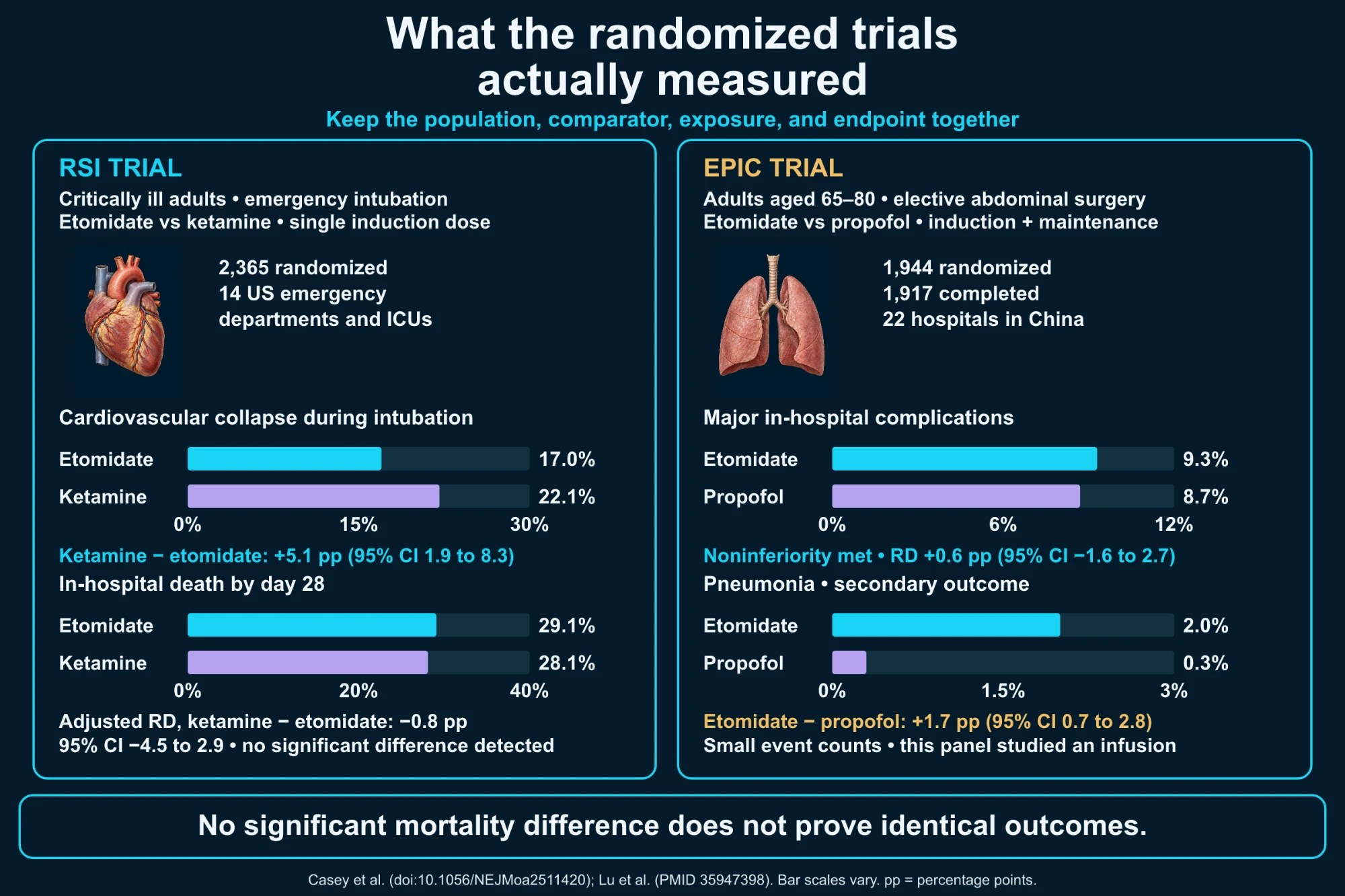
This is the trial most anesthesia clinicians have not heard of and should have. EPIC — Etomidate versus Propofol for In-hospital Complications — randomized 1,944 patients aged 65 to 80 at 22 Chinese hospitals to etomidate or propofol for total intravenous anesthesia — induction and maintenance, by target-controlled infusion, for elective abdominal surgery lasting one to four hours. Patients and outcome assessors were blinded. 1,917 completed.3
| Endpoint | Etomidate (n=967) | Propofol (n=950) | Result |
|---|---|---|---|
| Major in-hospital complications | 9.3% | 8.7% | RD 0.6% (95% CI −1.6 to 2.7) — noninferiority met |
| Mortality at 6 months | 2.2% | 3.0% | RD −0.8% (95% CI −2.2 to 0.7) |
| Mortality at 12 months | 3.3% | 3.9% | RD −0.6% (95% CI −2.3 to 1.0) |
| Pneumonia | 2.0% | 0.3% | RD 1.7% (95% CI 0.7 to 2.8), P = .001 |
| Hypotension | Lower | Higher | P < .001 |
| Hypertension | Higher | Lower | P < .001 |
Cortisol was measurably lower in the etomidate group at the end of surgery (4.8 vs 6.1 µg/dL) and aldosterone was lower at the end of surgery and on postoperative day 1, but both had returned to baseline early on day 1, and corticotropin never differed.3 The adrenal effect was detectable, transient, and did not translate into the outcome it was supposed to cause.
Note what EPIC is not. It excluded ASA physical status above III, body mass index outside 18.5–29.9, and cases shorter than one hour or longer than four. The invited commentary made the fair criticism that the highest-risk patients — the ones for whom the hemodynamic argument is strongest — were the ones excluded. It also studied a single ethnic population. It is strong evidence that hours of etomidate exposure does not increase mortality in a moderately sick older surgical population. It is not evidence about the crashing patient.
In critical illness: the RSI trial
The RSI trial — Randomized trial of Sedative choice for Intubation, a deliberate play on the more familiar meaning of those initials — is the largest randomized comparison ever done on this question. It randomized 2,365 critically ill adults across 14 US emergency departments and ICUs to ketamine or etomidate for emergency intubation, with 28-day in-hospital death as the primary outcome.4
| Outcome | Ketamine | Etomidate |
|---|---|---|
| In-hospital death by day 28 | 28.1% | 29.1% — adjusted RD −0.8 pp (95% CI −4.5 to 2.9) |
| Cardiovascular collapse | 22.1% | 17.0% — RD 5.1 pp (95% CI 1.9 to 8.3) |
Roughly 47% of enrolled patients had sepsis or septic shock — the population where the adrenal argument should bite hardest. It did not. And the secondary outcome ran the other direction from the received wisdom: the hemodynamic advantage that makes clinicians reach for etomidate showed up as a measurable reduction in peri-intubation collapse, with the excess risk from ketamine larger still in patients with sepsis or an APACHE II illness-severity score of 20 or higher.4
The pooled picture
A 2026 network meta-analysis of 9 trials and 4,672 patients found that ketamine and etomidate probably produce similar short-term mortality (OR 0.96, 95% CI 0.80–1.16; moderate certainty), while ketamine probably increases cardiovascular collapse compared with etomidate (OR 1.44, 95% CI 1.20–1.71).5 The authors are honest that the confidence interval on mortality still admits a clinically important difference in either direction, and that no randomized trial has ever compared etomidate directly with propofol in this setting.
In cardiac surgery, a 2024 meta-analysis of 16 randomized trials and 1,162 patients found no effect of etomidate on 30-day all-cause mortality (RR 0.96, 95% CI 0.26–3.49) — a wide interval on few events, but not a signal.6 A retrospective cardiac series of 3,127 patients likewise found no association between a single induction dose and severe hypotension, ventilator hours, length of stay, or in-hospital mortality.7
The strongest randomized case against etomidate, stated fairly. A 2023 meta-analysis of 11 randomized trials in 2,704 critically ill patients found higher mortality with etomidate: 23% versus 20%, risk ratio 1.16 (95% CI 1.01–1.33), number needed to harm 31.8 That analysis was published before the RSI trial, and the trial that has since roughly doubled the randomized evidence base did not reproduce it. But it was a legitimate finding on the data available, and anyone forming a view should know it exists rather than hearing only the reassuring half. The same direction shows up in the individual trial data: in a single-center randomized trial of 801 critically ill adults needing emergency intubation, day-7 survival — the prespecified primary endpoint — was lower with etomidate than with ketamine, 77.3% versus 85.1% (P = 0.005), although by day 28 the difference was gone (64.1% vs 66.8%, P = 0.29).16
And the newest observational data still point at etomidate. A target trial emulation of the Brazilian Airway Registry — 1,810 emergency intubations across 18 emergency departments, weighted by inverse probability of treatment — found 28-day in-hospital mortality of 60.5% with etomidate versus 54.4% with ketamine (risk ratio 1.14, 95% CI 1.03–1.27) and 35.2% versus 30.1% at 7 days, even though peri-intubation hemodynamic instability was less common with etomidate (18.9% vs 24.2%).17 These are weighted figures rather than a crude registry comparison, and the usual objection does not fit either: the ketamine patients were the sicker ones at baseline, by shock index and by preintubation vasopressor use, which biases against ketamine rather than against etomidate. What weighting cannot fix is unmeasured confounding, and the E-value here was 1.54 — a confounder of only moderate strength, associated with both the drug chosen and the patient dying, would account for the whole association — though the authors argue that nothing they could not measure is that strong. Their own conclusion is that definitive randomized trials are needed; the paper was accepted two months before the largest one was published, and its cohort carried roughly twice the 28-day mortality of the randomized populations.17
The adrenal biology, and how long it actually lasts
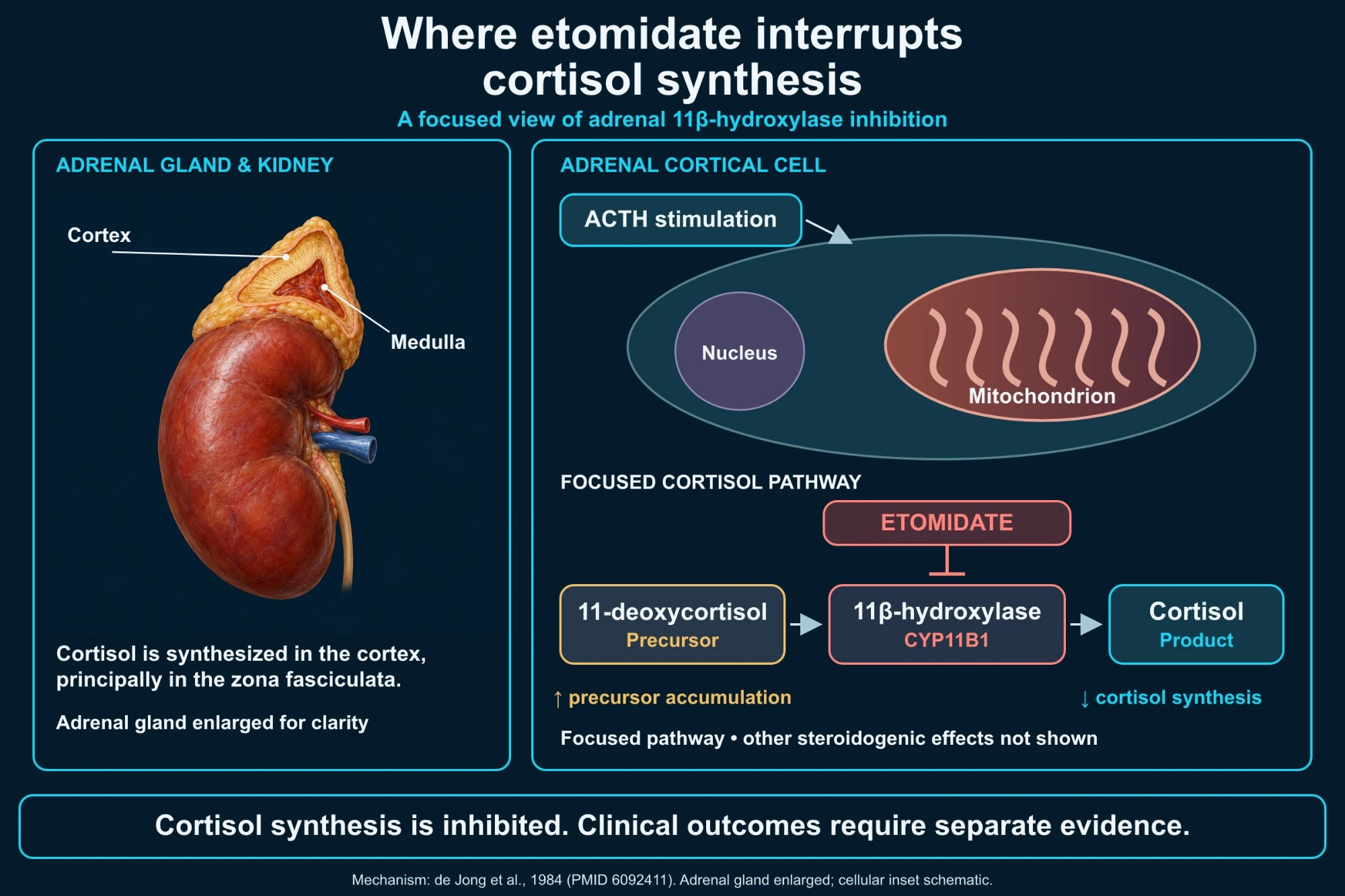
Etomidate reversibly inhibits 11β-hydroxylase (CYP11B1), the enzyme converting 11-deoxycortisol to cortisol. The effect is dose-dependent and real after a single bolus. The question has always been duration.
| Time after single dose | Patients meeting criteria for etomidate-related adrenal inhibition |
|---|---|
| 12 hours | 80% (32 of 40) |
| 48 hours | 9% |
| 72 hours | 7% |
Those figures come from 40 critically ill patients studied with serial cortisol and 11β-deoxycortisol before and after corticotropin stimulation.9 The suppression is genuine and it is essentially a one- to two-day phenomenon. Standard references describe enzyme inhibition lasting 6 to 12 hours after a bolus, with most suppression resolved by 48 hours.10 A prospective randomized trauma study found lower cortisol and a blunted corticotropin (ACTH) response at 4 to 6 hours after a single RSI dose.11 In KETASED, which randomized 655 critically ill patients to etomidate or ketamine for emergency intubation, adrenal insufficiency was far more common after etomidate (odds ratio 6.7, 95% CI 3.5–12.7) — but the trial’s primary outcome, the maximum Sequential Organ Failure Assessment score over the first three days in intensive care, did not differ significantly (10.3 vs 9.6, P = 0.056).15
Steroids do not rescue it
If the mechanism were cortisol deficiency, replacing cortisol should help. The same Cleveland Clinic group tested that. Among 4,275 ASA III–IV patients induced with etomidate, 804 also received an intraoperative steroid, mostly 6 mg of dexamethasone; 582 of them were matched to 1,023 non-steroid patients.12
There was no association between steroid administration and the composite of in-hospital mortality or cardiovascular morbidity — common OR 0.86 (95% CI 0.64–1.16), P = 0.33. Intraoperative blood pressures were the same. Hospital stay was slightly shorter with steroid, which is a plausible dexamethasone effect for entirely different reasons.12
This is a genuinely informative negative. Either the adrenal mechanism is not the operative one, or a single intraoperative dose of dexamethasone is the wrong intervention to test it with. Neither reading supports routine steroid cover after etomidate.
The signal that has actually replicated
Look past mortality and something more consistent appears.
| Setting | Design | Pulmonary finding |
|---|---|---|
| Older abdominal surgery | Randomized trial, 1,917 patients3 | Pneumonia 2.0% vs 0.3%; pulmonary complications 2.0% vs 0.5% |
| Cardiac surgery | Retrospective before–after, 1,462 patients13 | Hospital-acquired pneumonia 18.6% vs 14.0% (P = 0.031); sepsis not significantly different |
| Trauma | Cohort14 | Increased susceptibility to pneumonia |
The absolute numbers in EPIC are small — 19 or so events against 3 — and a single secondary endpoint in one trial is not a practice change. But it is the one adverse signal that appears in a randomized trial rather than only in registries, and it is at least mechanistically coherent with transient impairment of the stress response. If you are going to modify anything about your practice on the strength of this literature, this is the more defensible place to do it: think twice in the patient already at high risk of postoperative pulmonary complications, rather than in the patient at risk of dying.
What this means when you are standing at the head of the bed
| Situation | What the evidence supports |
|---|---|
| Severe aortic stenosis, fixed cardiac output, ejection fraction 20%, tamponade | Etomidate remains reasonable. This is the population the hemodynamic argument was built for, and the mortality concern has not survived randomization. |
| Emergency intubation of the critically ill | Mortality is probably the same as ketamine; peri-intubation collapse is less common with etomidate.4,5 |
| Septic shock | The largest trial included ~47% sepsis and found no mortality penalty.4 Equipoise is reasonable; certainty is not. |
| High risk of postoperative pneumonia | This is where the replicated signal sits. Worth weighing.3,13,14 |
| The healthy ASA physical status I–II patient | There was never a good reason to use etomidate here, and the myoclonus, postoperative nausea and vomiting, and injection pain profile argues against it independently of any of this. |
| Continuous infusion for sedation | Abandoned in the 1980s for excess mortality with prolonged exposure. Nothing here revisits that. |
The framing that holds up. The honest summary is not “etomidate is safe” and not “etomidate is dangerous.” It is that a single induction dose buys real hemodynamic stability, causes real but short-lived adrenal suppression, and has never been shown in randomized data to cost a patient their life. Choose it for the hemodynamic reason it is good at, in the patient who needs that, and stop treating the 2013 paper as a settled verdict.
Frequently asked questions
Does a single dose of etomidate increase 30-day mortality?
A 2013 retrospective study of ASA III–IV patients found 2.5 times the odds of 30-day death compared with propofol,1 but that finding has not been reproduced under randomization. A study designed to overcome treatment-selection bias found a 30-day mortality difference of 0.2% (95% CI −2.5 to 2.9),2 a randomized trial of etomidate infusion in 1,917 older surgical patients found no mortality difference at 6 or 12 months,3 and a 2,365-patient randomized trial in critically ill adults found 28-day mortality of 29.1% with etomidate versus 28.1% with ketamine.4
Why did the 2013 study find such a large effect?
Most likely confounding by indication. Etomidate is preferentially chosen for hemodynamically fragile patients, and the propensity matching did not include heart failure, ejection fraction, or chronic kidney disease.2 The features that drive the drug choice are the same features that predict 30-day death. The instrumental-variable study that used anesthesiologist preference rather than patient characteristics as the exposure saw the crude 3.2% difference collapse to 0.2%.2
How long does adrenal suppression last after one dose of etomidate?
Roughly one to two days. In 40 critically ill patients, 80% met criteria for etomidate-related adrenal inhibition at 12 hours, falling to 9% at 48 hours and 7% at 72 hours.9 Standard references describe 11β-hydroxylase inhibition lasting 6 to 12 hours after a bolus with most suppression resolved by 48 hours.10 In a randomized surgical trial, cortisol and aldosterone were lower at the end of surgery but back to baseline early on postoperative day 1.3
Should I give steroids after using etomidate?
There is no evidence supporting it. In 582 matched patients who received an intraoperative steroid after etomidate induction versus 1,023 who did not, there was no reduction in the composite of in-hospital mortality or cardiovascular morbidity (common OR 0.86, 95% CI 0.64–1.16) and no difference in intraoperative blood pressure.12
Is etomidate safe to use in septic patients?
The best available randomized evidence does not show a mortality penalty. Roughly 47% of the 2,365 patients in the RSI trial had sepsis or septic shock, and 28-day mortality did not differ from ketamine.4 A 2023 meta-analysis of 11 earlier randomized trials did find higher mortality with etomidate (RR 1.16, 95% CI 1.01–1.33),8 so this is an area where certainty is not yet warranted in either direction — but the largest and most recent trial does not support avoiding it.
What about pneumonia after etomidate?
This is the adverse signal that has replicated most consistently. In the randomized EPIC trial, pneumonia occurred in 2.0% of etomidate patients versus 0.3% of propofol patients (RD 1.7%, 95% CI 0.7–2.8).3 A retrospective cardiac surgery series found more hospital-acquired pneumonia with etomidate (18.6% vs 14.0%),13 and increased susceptibility to pneumonia has been described in trauma patients.14 The event numbers are small, but it is worth weighing in patients already at high pulmonary risk.
Is etomidate still a reasonable choice for a hemodynamically fragile patient?
Yes. That was always its indication, and the randomized data support the hemodynamic claim. In the RSI trial, cardiovascular collapse occurred in 17.0% of etomidate patients versus 22.1% with ketamine,4 and a 2026 network meta-analysis found ketamine probably increases cardiovascular collapse relative to etomidate (OR 1.44, 95% CI 1.20–1.71) with similar mortality.5
References
- Komatsu R, You J, Mascha EJ, Sessler DI, Kasuya Y, Turan A. Anesthetic induction with etomidate, rather than propofol, is associated with increased 30-day mortality and cardiovascular morbidity after noncardiac surgery. Anesth Analg. 2013;117(6):1329–1337. PMID 24257383.
- Use of etomidate in patients with heart failure undergoing noncardiac surgery. Br J Anaesth. 2020;125(6):943–952. PMID 32807381. Retrospective cohort of 19,714 heart failure patients across two tertiary institutions, 2006–2017; instrumental-variable analysis using anesthesiologist preference for etomidate. Source of the reported 6.5% vs 2.5% 30-day mortality figures from the Komatsu cohort and of the critique of its propensity model.
- Lu Z, Zheng H, Chen Z, et al. Effect of etomidate vs propofol for total intravenous anesthesia on major postoperative complications in older patients: a randomized clinical trial (EPIC). JAMA Surg. 2022;157(10):888–895. PMID 35947398.
- Casey JD, Seitz KP, Driver BE, et al. Ketamine or etomidate for tracheal intubation of critically ill adults. N Engl J Med. 2026;394(16):1608–1620. doi:10.1056/NEJMoa2511420. Epub 2025 Dec 9. PMID 41369227. The RSI trial; 2,365 patients randomized across 14 US emergency departments and ICUs, 2,359 with the primary outcome assessed.
- Zampieri FG, Schmidt RC, Besen BAMP, et al. Induction agents for emergency tracheal intubation in critically ill adults: a systematic review and network meta-analysis. Crit Care. 2026;30:296. doi:10.1186/s13054-026-06067-w.
- Comparison of efficacy and safety of etomidate with other anesthesia induction drugs for patients undergoing cardiac surgery: a systematic review and meta-analysis of randomized controlled trials. Heliyon. 2024;10(22):e38274. doi:10.1016/j.heliyon.2024.e38274. PMID 39584115. Sixteen randomized trials, 1,162 patients; 30-day all-cause mortality RR 0.96 (95% CI 0.26–3.49).
- Wagner CE, Bick JS, Johnson D, et al. Etomidate use and postoperative outcomes among cardiac surgery patients. Anesthesiology. 2014;120(3):579–589. PMID 24296761.
- Kotani Y, Piersanti G, Maiucci G, et al. Etomidate as an induction agent for endotracheal intubation in critically ill patients: a meta-analysis of randomized trials. J Crit Care. 2023;77:154317. PMID 37127020.
- Duration of adrenal inhibition following a single dose of etomidate in critically ill patients. Intensive Care Med. 2008. PMID 18092151. Forty patients; serial cortisol and 11β-deoxycortisol after 250 µg corticotropin stimulation at 12, 24, 48 and 72 hours.
- Etomidate. StatPearls. NCBI Bookshelf NBK535364. Describes dose-dependent 11β-hydroxylase inhibition lasting 6 to 12 hours after a single bolus.
- Hildreth AN, Mejia VA, Maxwell RA, Smith PW, Dart BW, Barker DE. Adrenal suppression following a single dose of etomidate for rapid sequence induction: a prospective randomized study. J Trauma. 2008;65(3):573–579. PMID 18784570.
- Komatsu R, You J, Rajan S, Kasuya Y, Sessler DI, Turan A. Steroid administration after anaesthetic induction with etomidate does not reduce in-hospital mortality or cardiovascular morbidity after non-cardiac surgery. Br J Anaesth. 2018;120(3):501–508. PMID 29452806.
- Infectious complications after etomidate vs propofol for induction of general anesthesia in cardiac surgery: results of a retrospective, before–after study. J Clin Med. 2021;10(13):2908. doi:10.3390/jcm10132908.
- Etomidate increases susceptibility to pneumonia in trauma patients. Intensive Care Med. 2012. doi:10.1007/s00134-012-2619-8.
- Jabre P, Combes X, Lapostolle F, et al; KETASED Collaborative Study Group. Etomidate versus ketamine for rapid sequence intubation in acutely ill patients: a multicentre randomised controlled trial. Lancet. 2009;374(9686):293–300. doi:10.1016/S0140-6736(09)60949-1. PMID 19573904.
- Matchett G, Gasanova I, Riccio CA, et al. Etomidate versus ketamine for emergency endotracheal intubation: a randomized clinical trial. Intensive Care Med. 2022;48(1):78–91. PMID 34904190.
- Maia IWA, Decker SRR, Oliveira e Silva L, et al; Brazilian Airway Registry Cooperation (BARCO) group. Ketamine, etomidate, and mortality in emergency department intubations. JAMA Netw Open. 2025;8(12):e2548060. doi:10.1001/jamanetworkopen.2025.48060. PMID 41396604. PMC12706683. Observational registry reporting higher 28-day mortality with etomidate (60.5% vs 54.4%), discordant with the randomized evidence.
Disclaimer. Reference information for licensed clinicians and students. Not a medical device, and not a substitute for clinical judgment. Verify against your institutional protocol and current package inserts.
Induction agent trade-offs like these ship inside Helix Anesthesia — a point-of-care reference built by a practicing CRNA, cited and available offline. See how we source clinical content.
Built for the anesthesia machine, not the desk. It opens in one tap, works with no signal in an OR that has none, and shows the citation on screen beside the number rather than making you go and find it.
Free tier, no card: every calculator, every crisis checklist, the full drug library and glossary, three complete regional blocks, five complete surgical cases, and 15 AI questions a month.
Get Helix Anesthesia How we source itSign up for our newsletter and special offers. New answer pages, improvements to the ones already here, and the occasional offer. Nothing else, and not often.